REF: MEN-2026-0260
Therapy
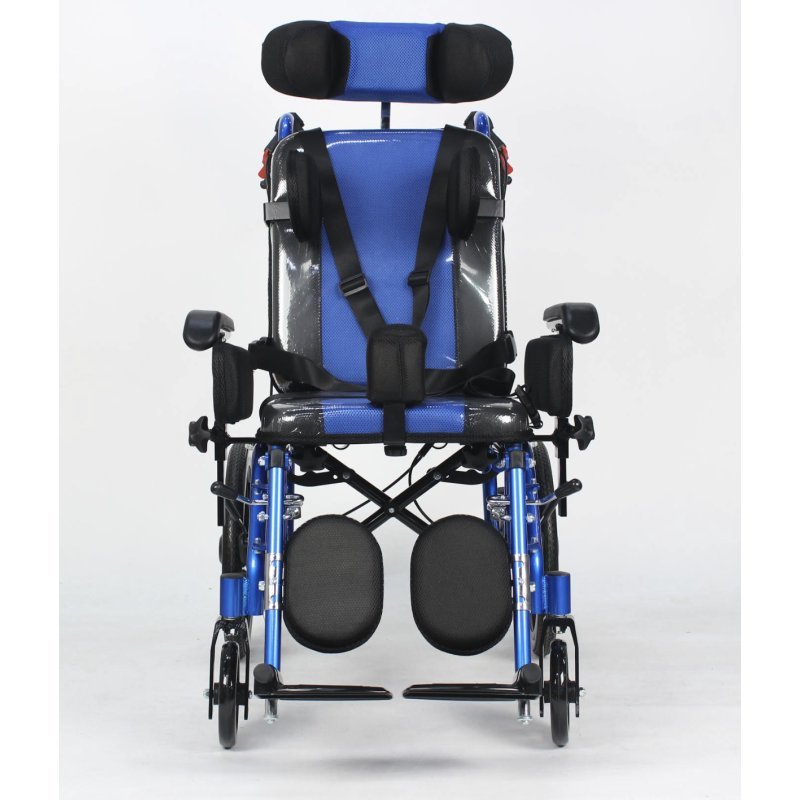
Cerebral Palsy Wheelchair
Sold & Shipped By
Official Store
₦400,000.00
Product Code MEN-2026-0260
Condition New
Availability In Stock
Warranty
Sub-Category Wheelchair
Tilt-in-Space & Reclining Functions: These features allow the seat-to-back angle to open or the entire seat to tilt (30–60 degrees) to alleviate pressure, assist with feeding, and improve positioning.
Postural Support & Positioning: Crucial for managing muscle tone and preventing deformities, these include adjustable headrests, lateral supports (for the trunk/hips), and contoured seating.
Safety Harnesses & Straps: Comprehensive harnesses or belts keep the user secure to prevent sliding, falling, or slouching.
Adjustable Components: Many models offer adjustable seat width and depth, as well as removable/adjustable armrests and footrests for easier transfers.
Specialized Cushioning: To prevent skin damage and pressure sores during long-term sitting, these chairs often use specialized,, high-density foam, or gel cushions.
Durability & Stability: Designed for long-term daily use, often including anti-tippers for added safety on uneven surfaces.
Postural Support & Positioning: Crucial for managing muscle tone and preventing deformities, these include adjustable headrests, lateral supports (for the trunk/hips), and contoured seating.
Safety Harnesses & Straps: Comprehensive harnesses or belts keep the user secure to prevent sliding, falling, or slouching.
Adjustable Components: Many models offer adjustable seat width and depth, as well as removable/adjustable armrests and footrests for easier transfers.
Specialized Cushioning: To prevent skin damage and pressure sores during long-term sitting, these chairs often use specialized,, high-density foam, or gel cushions.
Durability & Stability: Designed for long-term daily use, often including anti-tippers for added safety on uneven surfaces.
Seating and Postural Support
Tilt-in-Space Function: Allows the entire seat to tilt backward (often up to 45°), redistributing weight to prevent pressure sores and improve circulation without changing the angle of the hips or knees.
Reclining Backrest: Adjustable from 90° up to 170° or 180° to allow the user to lie down, assisting with resting and transfers.
Adjustable Headrest: Can be adjusted for height and angle to provide critical neck and head support, often with removable side pads for head positioning.
Specialized Cushioning: Often feature thick (e.g., 7cm), padded cushions covered in breathable, durable, or waterproof fabric.
Abductor/Pommel Support: Often included to keep the legs in the proper position and prevent scissoring.
2. Adjustable and Modular Components
Seat Dimensions: Seat width and depth are frequently adjustable to accommodate growth, ranging from narrow child sizes (15–18 inches) to wider adult models.
Footrests: Elevating and detachable leg rests are standard, allowing for angle adjustment (90°–180°).
Armrests: Detachable and height-adjustable armrests facilitate easy transfers and, often,, the addition of a tray table.
3. Frame and Mobility Specifications
Frame Material: Typically constructed from high-strength, lightweight aluminum alloy or carbon steel for durability, with a weight capacity ranging from 75kg to 120kg (approx. 165–265 lbs).
Folding Mechanism: Designed to fold for compact storage and transport in a car trunk.
Wheels:
Front: 6-inch to 8-inch solid PVC or PU castors that provide 360-degree, flexible rotation for easy navigation.
Rear: 16-inch to 24-inch, often solid or PU tires that are maintenance-free and anti-puncture.
Anti-Tip Wheels: Essential safety feature to prevent the chair from tipping backward when reclining.
4. Safety and Convenience Features
Safety Harness/Belts: Often includes a 5-point, butterfly-type, or H-harness to secure the torso and hips.
Braking System: Equipped with both parking brakes and attendant-operated rear handbrakes.
Tray Table: A removable, durable, and adjustable tray table is frequently included for feeding or activity.
Weight: Total weight of the chair usually falls between 12kg and 25kg (approx. 26–55 lbs).
Tilt-in-Space Function: Allows the entire seat to tilt backward (often up to 45°), redistributing weight to prevent pressure sores and improve circulation without changing the angle of the hips or knees.
Reclining Backrest: Adjustable from 90° up to 170° or 180° to allow the user to lie down, assisting with resting and transfers.
Adjustable Headrest: Can be adjusted for height and angle to provide critical neck and head support, often with removable side pads for head positioning.
Specialized Cushioning: Often feature thick (e.g., 7cm), padded cushions covered in breathable, durable, or waterproof fabric.
Abductor/Pommel Support: Often included to keep the legs in the proper position and prevent scissoring.
2. Adjustable and Modular Components
Seat Dimensions: Seat width and depth are frequently adjustable to accommodate growth, ranging from narrow child sizes (15–18 inches) to wider adult models.
Footrests: Elevating and detachable leg rests are standard, allowing for angle adjustment (90°–180°).
Armrests: Detachable and height-adjustable armrests facilitate easy transfers and, often,, the addition of a tray table.
3. Frame and Mobility Specifications
Frame Material: Typically constructed from high-strength, lightweight aluminum alloy or carbon steel for durability, with a weight capacity ranging from 75kg to 120kg (approx. 165–265 lbs).
Folding Mechanism: Designed to fold for compact storage and transport in a car trunk.
Wheels:
Front: 6-inch to 8-inch solid PVC or PU castors that provide 360-degree, flexible rotation for easy navigation.
Rear: 16-inch to 24-inch, often solid or PU tires that are maintenance-free and anti-puncture.
Anti-Tip Wheels: Essential safety feature to prevent the chair from tipping backward when reclining.
4. Safety and Convenience Features
Safety Harness/Belts: Often includes a 5-point, butterfly-type, or H-harness to secure the torso and hips.
Braking System: Equipped with both parking brakes and attendant-operated rear handbrakes.
Tray Table: A removable, durable, and adjustable tray table is frequently included for feeding or activity.
Weight: Total weight of the chair usually falls between 12kg and 25kg (approx. 26–55 lbs).
Operating a Power Wheelchair for CP
Controls: Use the joystick to control direction and speed; pushing forward moves the chair forward, while pulling back reverses.
Speed Management: Adjust the speed control button/dial before moving to ensure safety.
Stopping: Release the joystick to stop; the chair will automatically return to an upright position and brake.
Positioning Controls: Use specialized features like tilt-in-space (30-60 degrees) to manage pressure and comfort.
Practice: Practice in open, safe spaces to build confidence with joystick sensitivity.
Operating a Manual Wheelchair for CP
Brakes: Ensure both brake levers are pushed forward to lock the wheels before transferring.
Footplates: Move footplates out of the way for entry/exit, then drop them down and place feet securely.
Pushing: Use proper technique to protect shoulders—grip push rims behind the hips, push forward, and allow for a, slight forward arch.
Safety and Positioning Adjustments
Securing the User: Use pelvic belts and lateral supports to maintain an upright, symmetrical posture.
Support Features: Utilize headrests, knee blocks, and abductors (to keep legs apart) for proper alignment.
Pressure Management: Use specialized cushions to prevent pressure sores, as CP can lead to prolonged sitting and tension.
Accessibility Features: Some models allow for Bluetooth connectivity for environmental control (e.g., Q-Logic 3).
Controls: Use the joystick to control direction and speed; pushing forward moves the chair forward, while pulling back reverses.
Speed Management: Adjust the speed control button/dial before moving to ensure safety.
Stopping: Release the joystick to stop; the chair will automatically return to an upright position and brake.
Positioning Controls: Use specialized features like tilt-in-space (30-60 degrees) to manage pressure and comfort.
Practice: Practice in open, safe spaces to build confidence with joystick sensitivity.
Operating a Manual Wheelchair for CP
Brakes: Ensure both brake levers are pushed forward to lock the wheels before transferring.
Footplates: Move footplates out of the way for entry/exit, then drop them down and place feet securely.
Pushing: Use proper technique to protect shoulders—grip push rims behind the hips, push forward, and allow for a, slight forward arch.
Safety and Positioning Adjustments
Securing the User: Use pelvic belts and lateral supports to maintain an upright, symmetrical posture.
Support Features: Utilize headrests, knee blocks, and abductors (to keep legs apart) for proper alignment.
Pressure Management: Use specialized cushions to prevent pressure sores, as CP can lead to prolonged sitting and tension.
Accessibility Features: Some models allow for Bluetooth connectivity for environmental control (e.g., Q-Logic 3).