REF: MEN-2026-0143
Surgery
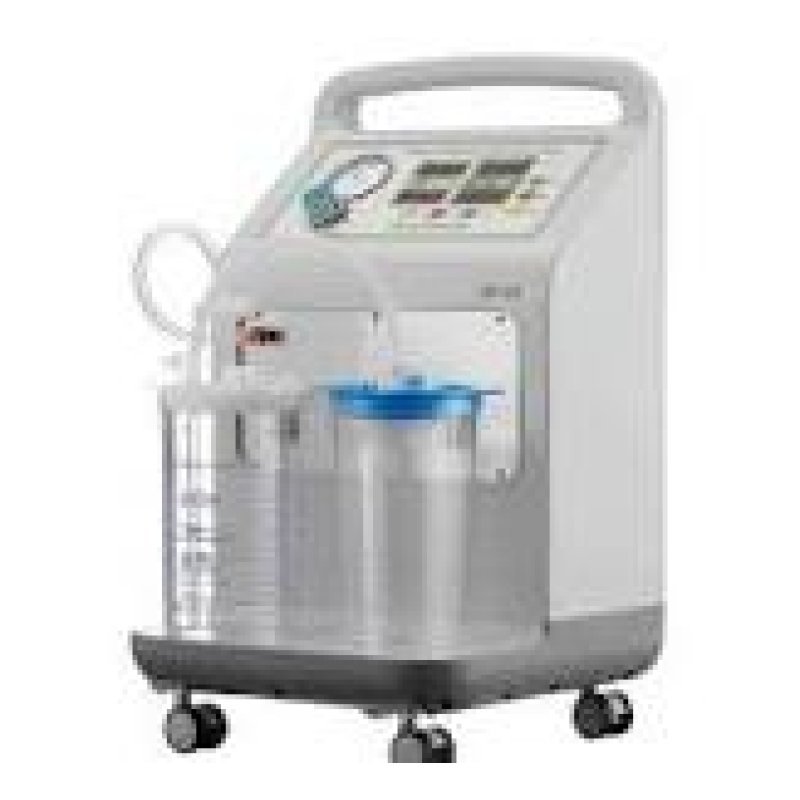
Surgical Suction Pump
Sold & Shipped By
Official Store
Price on Request
Product Code MEN-2026-0143
Condition New
Availability On Request
Warranty
Sub-Category Pump
Portability and Compact Design: Designed for easy movement between patient rooms, home care settings, or emergency transport (ambulances), often featuring durable, lightweight, or caster-equipped housing.
Powerful, Adjustable Suction: Provides high negative pressure (often up to -70 kPa or -110 mbar) that is adjustable to cater to different clinical needs, ranging from gentle pediatric care to high-flow adult suction.
High-Performance Motor: Utilizes oil-less, often diaphragm or piston, pumps that are maintenance-free and ensure a rapid, consistent vacuum.
Overflow Protection: Includes mechanical, float-type, or hydrophobic filter mechanisms to prevent fluid from overflowing and entering the pump mechanism.
Antibacterial Filters: Protects the device and the environment from bacteria and odor.
Sterilizable Components: Features, such as autoclavable (121°C) collection jars and silicone tubes.
Power Versatility: Operates via standard AC power, 12V DC (for vehicles), or rechargeable battery packs (e.g., Lithium-ion) for extended, cordless use (sometimes over 3 hours).
User-Friendly Interface: Often equipped with clear vacuum gauges (mmHg or kPa), intuitive touch panels, and foot pedal switches for hands-free operation.
Efficient Waste Management: Uses large-capacity (often 1000ml to 2500ml) transparent, graduated, and shockproof polycarbonate collection canisters, which may be reusable or disposable liners.
Low Noise Operation: Engineered for low-noise performance (often ≤50-60 dB) to improve patient comfort in clinical or home settings.
Specialized Functionality: Some models offer specialized features like 5-second delayed suction to prevent residue build-up in tubes, or specific configurations for dental, gynecological, or emergency, field-based care.
Powerful, Adjustable Suction: Provides high negative pressure (often up to -70 kPa or -110 mbar) that is adjustable to cater to different clinical needs, ranging from gentle pediatric care to high-flow adult suction.
High-Performance Motor: Utilizes oil-less, often diaphragm or piston, pumps that are maintenance-free and ensure a rapid, consistent vacuum.
Overflow Protection: Includes mechanical, float-type, or hydrophobic filter mechanisms to prevent fluid from overflowing and entering the pump mechanism.
Antibacterial Filters: Protects the device and the environment from bacteria and odor.
Sterilizable Components: Features, such as autoclavable (121°C) collection jars and silicone tubes.
Power Versatility: Operates via standard AC power, 12V DC (for vehicles), or rechargeable battery packs (e.g., Lithium-ion) for extended, cordless use (sometimes over 3 hours).
User-Friendly Interface: Often equipped with clear vacuum gauges (mmHg or kPa), intuitive touch panels, and foot pedal switches for hands-free operation.
Efficient Waste Management: Uses large-capacity (often 1000ml to 2500ml) transparent, graduated, and shockproof polycarbonate collection canisters, which may be reusable or disposable liners.
Low Noise Operation: Engineered for low-noise performance (often ≤50-60 dB) to improve patient comfort in clinical or home settings.
Specialized Functionality: Some models offer specialized features like 5-second delayed suction to prevent residue build-up in tubes, or specific configurations for dental, gynecological, or emergency, field-based care.
Please contact our technical team for full specifications.
1. Preparation and Assembly
Wash Hands: Perform thorough hand hygiene (1-2 minutes) before handling equipment.
Set Up Unit: Place the machine on a flat, stable surface.
Connect Components: Ensure the canister is secure. Attach the short tubing (connector tube) from the machine to the filter/canister, and the long patient tubing to the canister.
Check Function: Turn the machine on, cover the end of the tubing with your thumb, and check if the gauge moves to ensure proper suction.
Set Pressure: Adjust the vacuum regulator based on patient age:
Adults: 100 to 150 mm Hg.
Children: 100 to 120 mm Hg.
Infants: 80 to 100 mm Hg.
2. The Suctioning Procedure
Position Patient: Sit the patient upright or on their side to prevent choking.
Insert Catheter: Gently insert the catheter into the mouth (oral) or tracheostomy tube. Do not apply suction while inserting.
Apply Suction: Cover the suction control port with your thumb and remove the catheter while rotating it between your fingers.
Duration: Limit suctioning to 10–15 seconds per pass to avoid oxygen deprivation.
Pause: Allow the patient to rest and breathe between passes.
Rinse: Suction a small amount of clean water through the tubing to clear it after each use.
3. Cleaning and Maintenance
Empty Container: Empty the canister into a toilet when it is half to two-thirds full.
Daily Cleaning: Wash the canister and tubing with warm, soapy water daily.
Disinfecting: Soak the tubing and container in a solution of 1-part white vinegar to 3-parts water for 30–60 minutes to disinfect.
Air Dry: Allow all parts to air dry completely before reassembling.
Check Filter: Replace the bacterial filter if it becomes wet or dirty.
Wash Hands: Perform thorough hand hygiene (1-2 minutes) before handling equipment.
Set Up Unit: Place the machine on a flat, stable surface.
Connect Components: Ensure the canister is secure. Attach the short tubing (connector tube) from the machine to the filter/canister, and the long patient tubing to the canister.
Check Function: Turn the machine on, cover the end of the tubing with your thumb, and check if the gauge moves to ensure proper suction.
Set Pressure: Adjust the vacuum regulator based on patient age:
Adults: 100 to 150 mm Hg.
Children: 100 to 120 mm Hg.
Infants: 80 to 100 mm Hg.
2. The Suctioning Procedure
Position Patient: Sit the patient upright or on their side to prevent choking.
Insert Catheter: Gently insert the catheter into the mouth (oral) or tracheostomy tube. Do not apply suction while inserting.
Apply Suction: Cover the suction control port with your thumb and remove the catheter while rotating it between your fingers.
Duration: Limit suctioning to 10–15 seconds per pass to avoid oxygen deprivation.
Pause: Allow the patient to rest and breathe between passes.
Rinse: Suction a small amount of clean water through the tubing to clear it after each use.
3. Cleaning and Maintenance
Empty Container: Empty the canister into a toilet when it is half to two-thirds full.
Daily Cleaning: Wash the canister and tubing with warm, soapy water daily.
Disinfecting: Soak the tubing and container in a solution of 1-part white vinegar to 3-parts water for 30–60 minutes to disinfect.
Air Dry: Allow all parts to air dry completely before reassembling.
Check Filter: Replace the bacterial filter if it becomes wet or dirty.