REF: MEN-2026-0119
Surgery
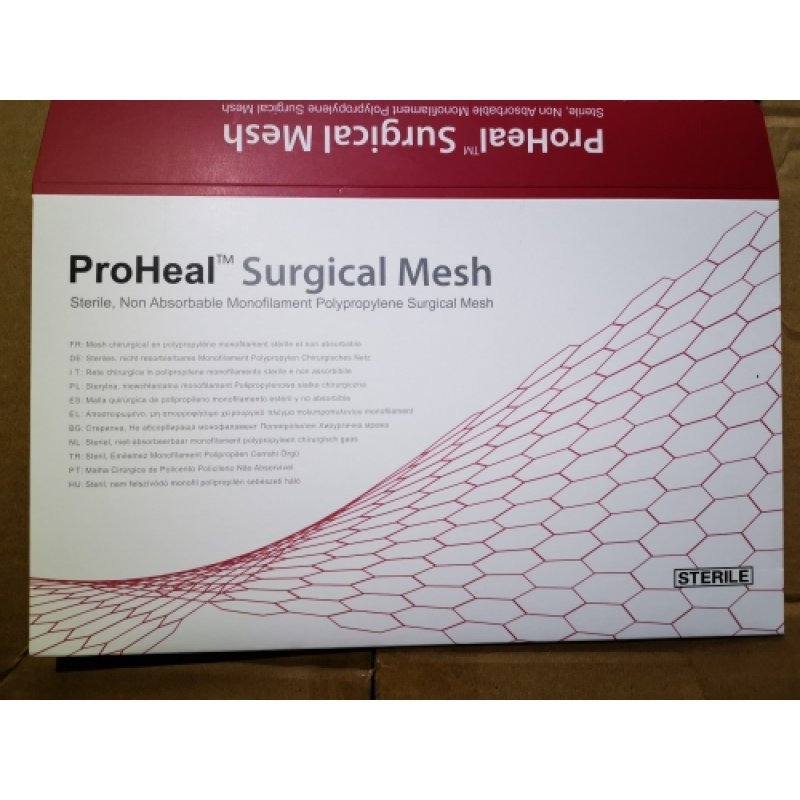
Surgical Mesh
Sold & Shipped By
Official Store
₦25,000.00
Product Code MEN-2026-0119
Condition New
Availability In Stock
Warranty
Sub-Category Laparoscopy
Synthetic Non-absorbable (Permanent): The most common type, typically made of polypropylene (PP), which is highly resistant to infection, durable, and easily incorporated into surrounding tissue. Other materials include polyester (PET) and polytetrafluoroethylene (ePTFE).
Synthetic Absorbable (Temporary): Made from materials like polyglactin 910 or polyglycolic acid; these are used for short-term support in contaminated fields and are reabsorbed by the body as new tissue takes over.
Biological: Derived from human or animal tissue (porcine skin or bovine pericardium), these are used in infected fields due to their low infection rate but may stretch or resorb over time.
Composite: Combines materials (e.g., PP with a barrier coating) to provide structural strength on one side and reduce visceral adhesions on the other.
Synthetic Absorbable (Temporary): Made from materials like polyglactin 910 or polyglycolic acid; these are used for short-term support in contaminated fields and are reabsorbed by the body as new tissue takes over.
Biological: Derived from human or animal tissue (porcine skin or bovine pericardium), these are used in infected fields due to their low infection rate but may stretch or resorb over time.
Composite: Combines materials (e.g., PP with a barrier coating) to provide structural strength on one side and reduce visceral adhesions on the other.
Pore Size (Porosity): Macroporous meshes (>75
m, often 1–3 mm) are preferred to encourage tissue ingrowth, angiogenesis, and lower risk of infection. Microporous meshes (<10
m) are associated with higher infection rates and chronic inflammation.
Weight/Areal Density: Classified into lightweight (<35 g/m²), medium-weight (35–80 g/m²), and heavyweight (>80 g/m²). Lightweight meshes are generally preferred to reduce foreign body reaction and improve patient comfort.
Structure/Constituency: Monofilament is preferred over multifilament to reduce bacterial colonization and tissue drag. Knitted structures are preferred over woven to allow for flexibility and to prevent unravelling when cut.
Thickness: Generally ranges from 0.34 mm to 0.6 mm.
Shape: Available in various shapes including square, rectangular, U-shaped, and pre-shaped (e.g., for inguinal, keyhole).
2. Mechanical Specifications
Tensile Strength: Should be sufficient to withstand abdominal pressures (often >32 N/cm, with some exceeding 100 N/cm).
Burst Strength: Measures maximum pressure at a right angle, with values often above 50 N/cm² or 10 kg/cm² for hernia repair.
Elasticity/Compliance: Needs to mimic the elasticity of the abdominal wall (typically 20%–35% elasticity at 16 N/cm).
Flexural Rigidity: Determines how well the mesh conforms to tissue, with lighter meshes offering better compliance.
3. Key Performance Parameters
Biocompatibility: Should be inert, non-carcinogenic, and non-allergenic.
Material Absorption: Non-absorbable (permanent) materials (e.g., PP) provide long-term support. Partially absorbable meshes combine permanent PP with absorbable material (e.g., polyglecaprone, polyglactin) to reduce long-term foreign body volume.
Shrinkage: A key complication where scar tissue contraction leads to, in some cases, >50% reduction in area.
Sterilization: Commonly sterilized using Ethylene Oxide (EO) gas or Gamma radiation.
Visibility: Modern meshes are often transparent to assist with anatomical visualization during laparoscopic placement
m, often 1–3 mm) are preferred to encourage tissue ingrowth, angiogenesis, and lower risk of infection. Microporous meshes (<10
m) are associated with higher infection rates and chronic inflammation.
Weight/Areal Density: Classified into lightweight (<35 g/m²), medium-weight (35–80 g/m²), and heavyweight (>80 g/m²). Lightweight meshes are generally preferred to reduce foreign body reaction and improve patient comfort.
Structure/Constituency: Monofilament is preferred over multifilament to reduce bacterial colonization and tissue drag. Knitted structures are preferred over woven to allow for flexibility and to prevent unravelling when cut.
Thickness: Generally ranges from 0.34 mm to 0.6 mm.
Shape: Available in various shapes including square, rectangular, U-shaped, and pre-shaped (e.g., for inguinal, keyhole).
2. Mechanical Specifications
Tensile Strength: Should be sufficient to withstand abdominal pressures (often >32 N/cm, with some exceeding 100 N/cm).
Burst Strength: Measures maximum pressure at a right angle, with values often above 50 N/cm² or 10 kg/cm² for hernia repair.
Elasticity/Compliance: Needs to mimic the elasticity of the abdominal wall (typically 20%–35% elasticity at 16 N/cm).
Flexural Rigidity: Determines how well the mesh conforms to tissue, with lighter meshes offering better compliance.
3. Key Performance Parameters
Biocompatibility: Should be inert, non-carcinogenic, and non-allergenic.
Material Absorption: Non-absorbable (permanent) materials (e.g., PP) provide long-term support. Partially absorbable meshes combine permanent PP with absorbable material (e.g., polyglecaprone, polyglactin) to reduce long-term foreign body volume.
Shrinkage: A key complication where scar tissue contraction leads to, in some cases, >50% reduction in area.
Sterilization: Commonly sterilized using Ethylene Oxide (EO) gas or Gamma radiation.
Visibility: Modern meshes are often transparent to assist with anatomical visualization during laparoscopic placement
Preparation & Access: Surgeons create an incision (open) or multiple small ports (laparoscopic) to reach the hernia, returning protruding tissue to its proper place.
Placement: The mesh is positioned over the weakness in the abdominal wall. It can be placed directly over the defect (anterior) or in the space between the muscle layers or peritoneum (posterior).
Securing the Mesh: The mesh must be fixed to prevent movement. Techniques include using polypropylene sutures, mechanical tacks, glues (fibrin or cyanoacrylate), or using self-fixating mesh (which has microgrips).
Tension-Free Technique: The mesh is applied without tension to allow for proper healing and reduce recurrence risks.
Types: Synthetic, non-absorbable materials (like polypropylene) are common for permanent, long-term strength.
Placement: The mesh is positioned over the weakness in the abdominal wall. It can be placed directly over the defect (anterior) or in the space between the muscle layers or peritoneum (posterior).
Securing the Mesh: The mesh must be fixed to prevent movement. Techniques include using polypropylene sutures, mechanical tacks, glues (fibrin or cyanoacrylate), or using self-fixating mesh (which has microgrips).
Tension-Free Technique: The mesh is applied without tension to allow for proper healing and reduce recurrence risks.
Types: Synthetic, non-absorbable materials (like polypropylene) are common for permanent, long-term strength.
.jpeg)