REF: MEN-2026-0080
Radiology
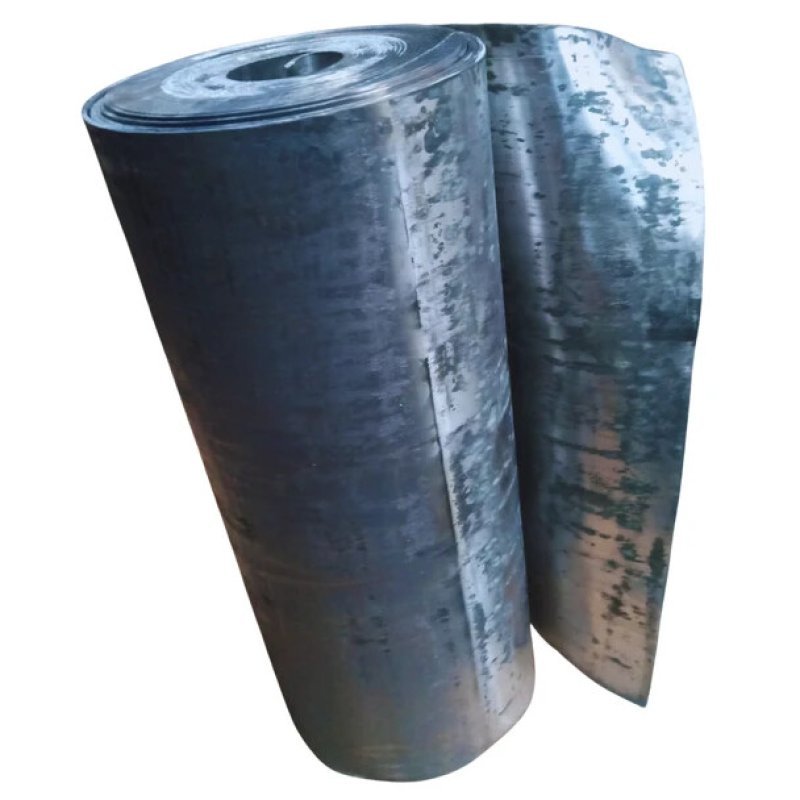
Lead Sheets
Sold & Shipped By
Official Store
Price on Request
Product Code MEN-2026-0080
Condition New
Availability On Request
Warranty
Sub-Category X-ray
Melody Line: A single-line melody, usually in treble clef, providing the core tune without complex arrangements or accompaniment notes.
Chord Symbols: Placed above the staff, these define the harmony, allowing musicians to create their own accompaniment or voicings (e.g., Cmaj7, G7).
Lyrics: Written below the staff, matching the melody to provide context for singers.
Song Structure & Roadmap: Includes navigation markers such as repeat signs, section labels (Verse, Chorus, Bridge), endings, and codas to indicate the song structure.
Basic Information: Title, composer, lyricist, key signature, and time signature.
Rhythmic Guidance: Occasionally includes slash notation, which tells musicians to play chords in a specific rhythm, or essential melodic riffs.
Chord Symbols: Placed above the staff, these define the harmony, allowing musicians to create their own accompaniment or voicings (e.g., Cmaj7, G7).
Lyrics: Written below the staff, matching the melody to provide context for singers.
Song Structure & Roadmap: Includes navigation markers such as repeat signs, section labels (Verse, Chorus, Bridge), endings, and codas to indicate the song structure.
Basic Information: Title, composer, lyricist, key signature, and time signature.
Rhythmic Guidance: Occasionally includes slash notation, which tells musicians to play chords in a specific rhythm, or essential melodic riffs.
Please contact our technical team for full specifications.
Radiological Protection (Shielding):
Medical Facilities: Used for lining walls, doors, and frames in X-ray rooms, CT scan rooms, and dental/veterinary clinics to protect staff and patients from radiation.
Nuclear Industry: Essential for radiation shielding in nuclear power plants, laboratories, and for storage containers of radioactive waste.
Industrial Applications: Used in non-destructive testing, security scanners, and as mobile lead screens
Flashing: Used to seal joints in roofing, such as around chimneys, vents, and skylights, to prevent water damage.
Roofing: Used as a covering for roofs, particularly on heritage or historic buildings, due to its long lifespan (often outlasting other materials by 10 times).
Gutters: Used for lining valleys and gutters.
Used as a moisture barrier in foundations, basements, tunnels, and underground, parking structures to prevent water infiltration.
Soundproofing and Vibration Dampening: Due to its high density, it is used as a sound-deadening layer in walls, ceilings, and floors, particularly in recording studios or to mitigate noise from industrial machinery.
Used as corrosion-resistant lining for tanks, autoclaves, and pipes that handle acids and aggressive chemical substances.
Ballast: Used for counterweights in aerospace, marine, and industrial equipment.
Electronics: Used for electromagnetic interference (EMI/RFI) shielding.
Art and Restoration: Used in the restoration of historic structures and for strengthening the framework of stained glass windows.
Medical Facilities: Used for lining walls, doors, and frames in X-ray rooms, CT scan rooms, and dental/veterinary clinics to protect staff and patients from radiation.
Nuclear Industry: Essential for radiation shielding in nuclear power plants, laboratories, and for storage containers of radioactive waste.
Industrial Applications: Used in non-destructive testing, security scanners, and as mobile lead screens
Flashing: Used to seal joints in roofing, such as around chimneys, vents, and skylights, to prevent water damage.
Roofing: Used as a covering for roofs, particularly on heritage or historic buildings, due to its long lifespan (often outlasting other materials by 10 times).
Gutters: Used for lining valleys and gutters.
Used as a moisture barrier in foundations, basements, tunnels, and underground, parking structures to prevent water infiltration.
Soundproofing and Vibration Dampening: Due to its high density, it is used as a sound-deadening layer in walls, ceilings, and floors, particularly in recording studios or to mitigate noise from industrial machinery.
Used as corrosion-resistant lining for tanks, autoclaves, and pipes that handle acids and aggressive chemical substances.
Ballast: Used for counterweights in aerospace, marine, and industrial equipment.
Electronics: Used for electromagnetic interference (EMI/RFI) shielding.
Art and Restoration: Used in the restoration of historic structures and for strengthening the framework of stained glass windows.