REF: MEN-2026-0078
Radiology
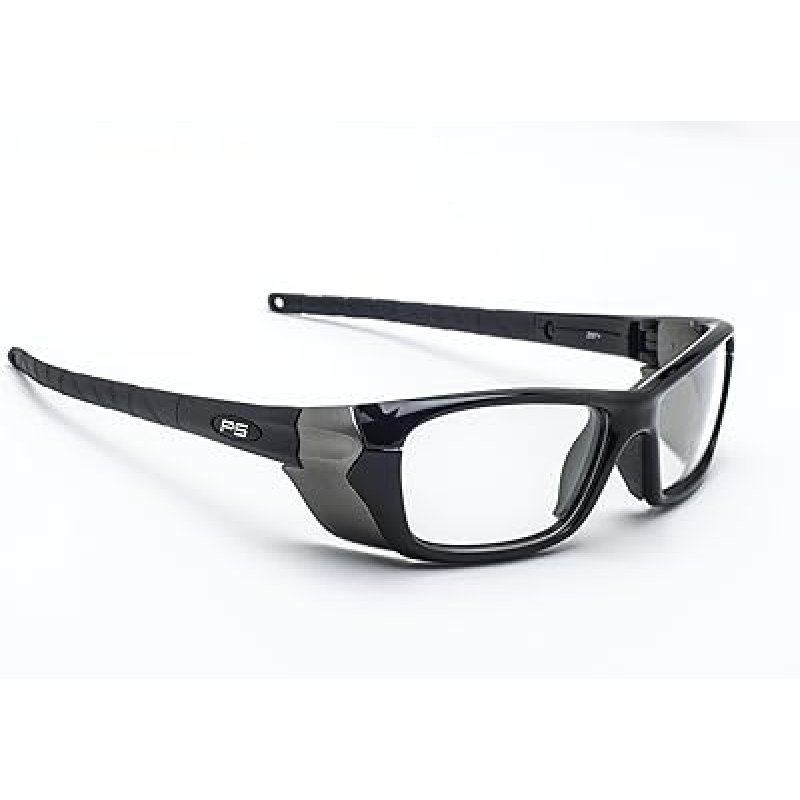
Lead Glasses
Sold & Shipped By
Official Store
Price on Request
Product Code MEN-2026-0078
Condition New
Availability In Stock
Warranty
Sub-Category X-ray
Radiation Protection (Lead Equivalence): The primary feature, with, high-quality, lead-equivalent glass (often SF-6 Schott glass) or lead-infused polymers.
Standard Protection: 0.35 mm to 0.5 mm Pb (lead equivalent). High-Exposure Protection: Up to 0.75 mm or 1.0 mm Pb, suitable for interventional radiology and fluoroscopy.
Distortion-Free Lenses: High-quality lenses provide clear vision, crucial for monitoring patient vitals or viewing screens.
Anti-Reflective Coating: Reduces glare from bright operating room or X-ray machinery lights.
Anti-Fog Coating: Prevents lens condensation, especially important during long, high-stress procedures.
Lightweight Frames: Frames are often made from durable yet lightweight, hypoallergenic materials (nylon or TR-90) to reduce pressure during extended wear.
Adjustable Features: Adjustable temple arms, silicone nose pads, and rubberized grips ensure a secure, comfortable fit.
Wraparound Style: Provides protection from scattered radiation from the sides and below.
Standard Protection: 0.35 mm to 0.5 mm Pb (lead equivalent). High-Exposure Protection: Up to 0.75 mm or 1.0 mm Pb, suitable for interventional radiology and fluoroscopy.
Distortion-Free Lenses: High-quality lenses provide clear vision, crucial for monitoring patient vitals or viewing screens.
Anti-Reflective Coating: Reduces glare from bright operating room or X-ray machinery lights.
Anti-Fog Coating: Prevents lens condensation, especially important during long, high-stress procedures.
Lightweight Frames: Frames are often made from durable yet lightweight, hypoallergenic materials (nylon or TR-90) to reduce pressure during extended wear.
Adjustable Features: Adjustable temple arms, silicone nose pads, and rubberized grips ensure a secure, comfortable fit.
Wraparound Style: Provides protection from scattered radiation from the sides and below.
Lead Equivalency (Protection Level): This is the most crucial metric, indicating the thickness of lead that provides the same shielding effect.
Standard: 0.35 mm Pb to 0.5 mm Pb (suitable for general radiography and dentistry).
High-Intensity: 0.75 mm Pb or higher (required for interventional radiology, fluoroscopy, and Cath labs).
Radiation Reduction: High-quality lenses (e.g., Schott SF-6 HT) often provide >95% radiation reduction at 125 KVP direct beam.
Lens Material: Primarily made from lead-impregnated glass (high density) or lead-equivalent polycarbonate for lighter weight.
Visible Light Transmission: >85% to 92% (ensures clear, non-distorted vision).
Refractive Index: Typically around 1.79 to 1.80.
Material: Usually nylon, polycarbonate, or high-impact plastic.
Design: Wraparound style with integrated side shields (0.50 mm Pb) for peripheral protection.
Features: Adjustable temples, soft rubber nose pads, and anti-fog coatings.
Weight: Generally lightweight, with many models weighing under 40–60 grams to reduce fatigue.
Standard: 0.35 mm Pb to 0.5 mm Pb (suitable for general radiography and dentistry).
High-Intensity: 0.75 mm Pb or higher (required for interventional radiology, fluoroscopy, and Cath labs).
Radiation Reduction: High-quality lenses (e.g., Schott SF-6 HT) often provide >95% radiation reduction at 125 KVP direct beam.
Lens Material: Primarily made from lead-impregnated glass (high density) or lead-equivalent polycarbonate for lighter weight.
Visible Light Transmission: >85% to 92% (ensures clear, non-distorted vision).
Refractive Index: Typically around 1.79 to 1.80.
Material: Usually nylon, polycarbonate, or high-impact plastic.
Design: Wraparound style with integrated side shields (0.50 mm Pb) for peripheral protection.
Features: Adjustable temples, soft rubber nose pads, and anti-fog coatings.
Weight: Generally lightweight, with many models weighing under 40–60 grams to reduce fatigue.
Fluoroscopy: Used by doctors to watch real-time, moving X-ray images, such as during cardiac catheterization or orthopedic surgery.
Interventional Radiology & Cardiology: Protects clinicians from scattered radiation during, for instance, CT scans, angiography, and procedures that use C-arms.
Dental Procedures: Protects dentists and dental hygienists during panoramic or intraoral X-ray diagnostics.
Veterinary Practices: Used by veterinarians and technicians during imaging of animals.
Emergency Services: Used during field triage and HAZMAT response scenarios where radiation might be present.
Non-Destructive Testing (NDT): Used in industrial inspections to inspect materials for defects without damaging them.
X-ray Diffraction (XRD): Used in laboratory settings where researchers work with X-ray equipment.
Oilfield Mining: Used for, and in industries requiring, X-ray scanning for inspection.
Interventional Radiology & Cardiology: Protects clinicians from scattered radiation during, for instance, CT scans, angiography, and procedures that use C-arms.
Dental Procedures: Protects dentists and dental hygienists during panoramic or intraoral X-ray diagnostics.
Veterinary Practices: Used by veterinarians and technicians during imaging of animals.
Emergency Services: Used during field triage and HAZMAT response scenarios where radiation might be present.
Non-Destructive Testing (NDT): Used in industrial inspections to inspect materials for defects without damaging them.
X-ray Diffraction (XRD): Used in laboratory settings where researchers work with X-ray equipment.
Oilfield Mining: Used for, and in industries requiring, X-ray scanning for inspection.