REF: MEN-2026-0069
Radiology
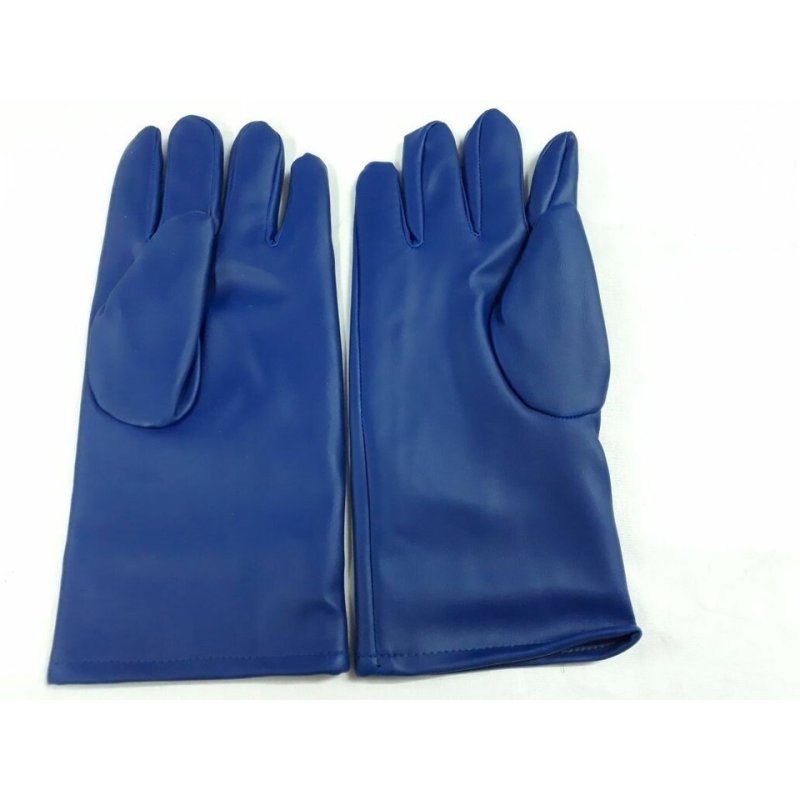
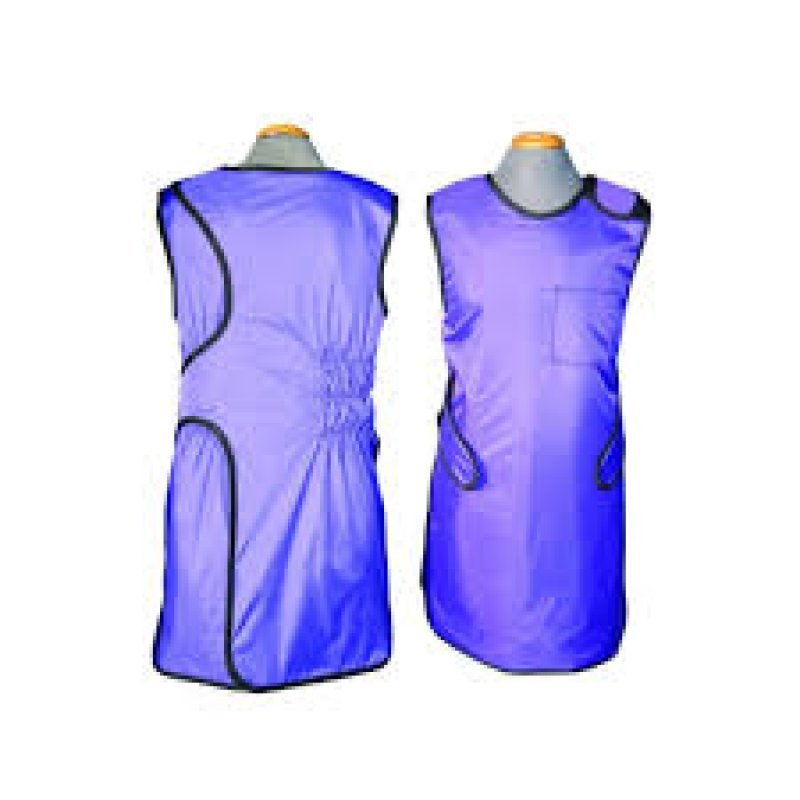
Lead Apron
Sold & Shipped By
Official Store
Price on Request
Product Code MEN-2026-0069
Condition New
Availability In Stock
Warranty 1 year
Sub-Category X-ray
Radiation Attenuation & Lead Equivalency: Aprons are rated by their "lead equivalent" (Pb), indicating the thickness of material needed to provide the same protection as a pure lead sheet.
Standard Protection: Usually 0.25mm to 0.5mm Pb, which can absorb 90% to 95% of scatter radiation.
High-Dose Environments: 0.5mm Pb is generally used in high-exposure areas like interventional radiology or cardiac catheterization.
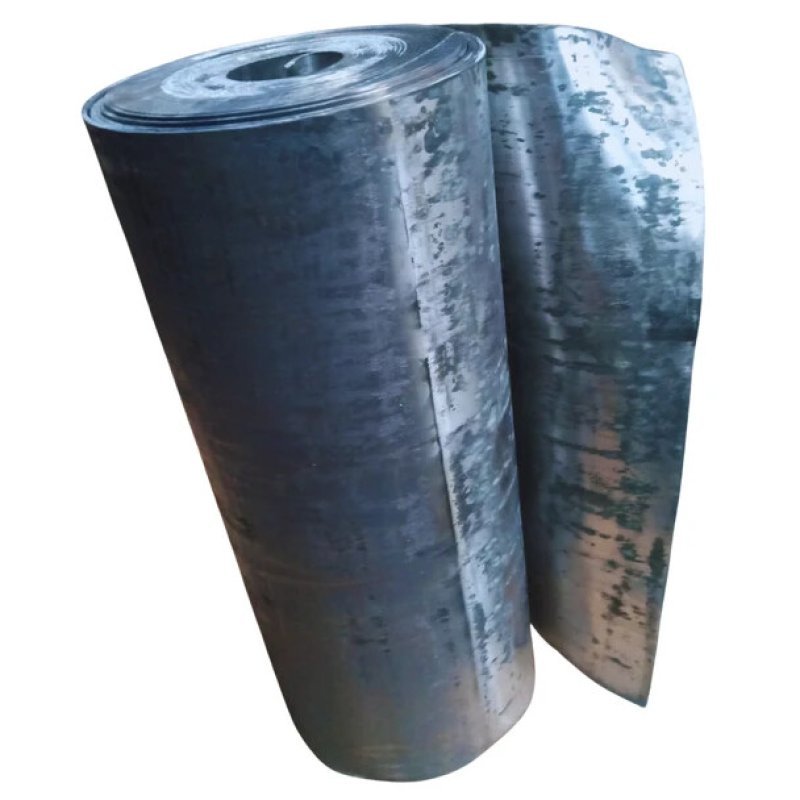
Traditional Lead: Dense, heavy, but highly reliable and cost-effective.
Lightweight/Lead-Free: Uses materials like bismuth, tungsten, and antimony, which are 25-30% lighter and easier to dispose of while offering comparable protection.
Frontal Aprons: Lightweight, ideal for, when the user always faces the radiation source.
Vest & Skirt Sets: The preferred choice for long procedures, as they distribute weight between the shoulders and hips to reduce back strain.
Full Wraparound: Provides 360-degree protection, ideal for when the wearer turns frequently.
Integrated Protection (Thyroid & Body): Modern aprons often include, or are paired with, a thyroid collar (usually 0.5mm Pb) to protect the highly sensitive thyroid gland. They should cover the body from the neck to at least the knees.
Padded Shoulders: Reduces strain during long procedures.
Adjustable Straps & Belts: Ensures a snug fit, which is crucial for safety and weight distribution.
Weight Distribution: Specialized designs move weight from the shoulders to the hips.
Standard Protection: Usually 0.25mm to 0.5mm Pb, which can absorb 90% to 95% of scatter radiation.
High-Dose Environments: 0.5mm Pb is generally used in high-exposure areas like interventional radiology or cardiac catheterization.
Traditional Lead: Dense, heavy, but highly reliable and cost-effective.
Lightweight/Lead-Free: Uses materials like bismuth, tungsten, and antimony, which are 25-30% lighter and easier to dispose of while offering comparable protection.
Frontal Aprons: Lightweight, ideal for, when the user always faces the radiation source.
Vest & Skirt Sets: The preferred choice for long procedures, as they distribute weight between the shoulders and hips to reduce back strain.
Full Wraparound: Provides 360-degree protection, ideal for when the wearer turns frequently.
Integrated Protection (Thyroid & Body): Modern aprons often include, or are paired with, a thyroid collar (usually 0.5mm Pb) to protect the highly sensitive thyroid gland. They should cover the body from the neck to at least the knees.
Padded Shoulders: Reduces strain during long procedures.
Adjustable Straps & Belts: Ensures a snug fit, which is crucial for safety and weight distribution.
Weight Distribution: Specialized designs move weight from the shoulders to the hips.
Lead Equivalency: The standard requirement for most diagnostic radiology procedures is 0.5 mm
For lower-scatter environments like dental clinics, 0.25 mm or 0.35 mm maybe acceptable.
Attenuation: A 0.5 mm apron shields approximately 99% of scatter radiation at 100 kVp, while 0.35 mm offers roughly 97% attenuation.
Standard Lead: Traditional, durable, but heavier.
Lightweight Composites: Uses elements like barium or tin for a lighter weight alternative.
Lead-Free: Uses bismuth, tungsten, and antimony, often the lightest option.
Weight: Generally ranges between 3–7 kg (approx. 5-15 lbs), depending on size, thickness, and style.
Coverage/Dimensions: Standard aprons should cover the front of the body from the throat to within 10 cm of the knees.
Outer Material: Typically made of nylon, oxford cloth, or vinyl, featuring stain-resistant and washable materials for maintenance.
Lifespan: Often lasts about 5 years, though this depends on usage and care.
Inspection: Requires annual or bi-annual inspection (visual and tactile) to detect cracks or tears.
For lower-scatter environments like dental clinics, 0.25 mm or 0.35 mm maybe acceptable.
Attenuation: A 0.5 mm apron shields approximately 99% of scatter radiation at 100 kVp, while 0.35 mm offers roughly 97% attenuation.
Standard Lead: Traditional, durable, but heavier.
Lightweight Composites: Uses elements like barium or tin for a lighter weight alternative.
Lead-Free: Uses bismuth, tungsten, and antimony, often the lightest option.
Weight: Generally ranges between 3–7 kg (approx. 5-15 lbs), depending on size, thickness, and style.
Coverage/Dimensions: Standard aprons should cover the front of the body from the throat to within 10 cm of the knees.
Outer Material: Typically made of nylon, oxford cloth, or vinyl, featuring stain-resistant and washable materials for maintenance.
Lifespan: Often lasts about 5 years, though this depends on usage and care.
Inspection: Requires annual or bi-annual inspection (visual and tactile) to detect cracks or tears.
Radiology/X-rays: Worn by patients to protect sensitive areas (like the thyroid and gonads) and by technologists to minimize occupational exposure during diagnostic imaging.
Fluoroscopy: Essential for medical staff in interventional radiology, cardiology, and orthopedics, where real-time X-ray imaging exposes personnel to high scatter radiation.
Operating Room (OR): Used by surgeons, nurses, and anesthesiologists during C-arm imaging or other radiation-dependent procedures.
Dental Radiology: Used to shield the torso and thyroid gland of patients during dental X-rays, although modern digital equipment has reduced the absolute necessity of this in some scenarios.
Reducing Scatter Radiation: Lead aprons act as a barrier against scatter radiation (secondary radiation that bounces off the patient or table).
Protection of Sensitive Organs: They protect rapidly dividing cells and sensitive organs (thyroid, gonads, blood-forming bone marrow) from long-term damage or cancer risks.
Compliance with Safety Regulations: They ensure adherence to the ALARA principle (As Low As Reasonably Achievable) for radiation exposure.
Industrial Radiography: Used by workers inspecting pipelines, welds, or other materials using radioactive sources.
Nuclear Medicine: Worn by technicians handling radioactive materials or conducting imaging scans.
Veterinary Practices: Used by veterinarians and technicians during animal X-ray procedures.
Fluoroscopy: Essential for medical staff in interventional radiology, cardiology, and orthopedics, where real-time X-ray imaging exposes personnel to high scatter radiation.
Operating Room (OR): Used by surgeons, nurses, and anesthesiologists during C-arm imaging or other radiation-dependent procedures.
Dental Radiology: Used to shield the torso and thyroid gland of patients during dental X-rays, although modern digital equipment has reduced the absolute necessity of this in some scenarios.
Reducing Scatter Radiation: Lead aprons act as a barrier against scatter radiation (secondary radiation that bounces off the patient or table).
Protection of Sensitive Organs: They protect rapidly dividing cells and sensitive organs (thyroid, gonads, blood-forming bone marrow) from long-term damage or cancer risks.
Compliance with Safety Regulations: They ensure adherence to the ALARA principle (As Low As Reasonably Achievable) for radiation exposure.
Industrial Radiography: Used by workers inspecting pipelines, welds, or other materials using radioactive sources.
Nuclear Medicine: Worn by technicians handling radioactive materials or conducting imaging scans.
Veterinary Practices: Used by veterinarians and technicians during animal X-ray procedures.