REF: MEN-2026-0070
Radiology
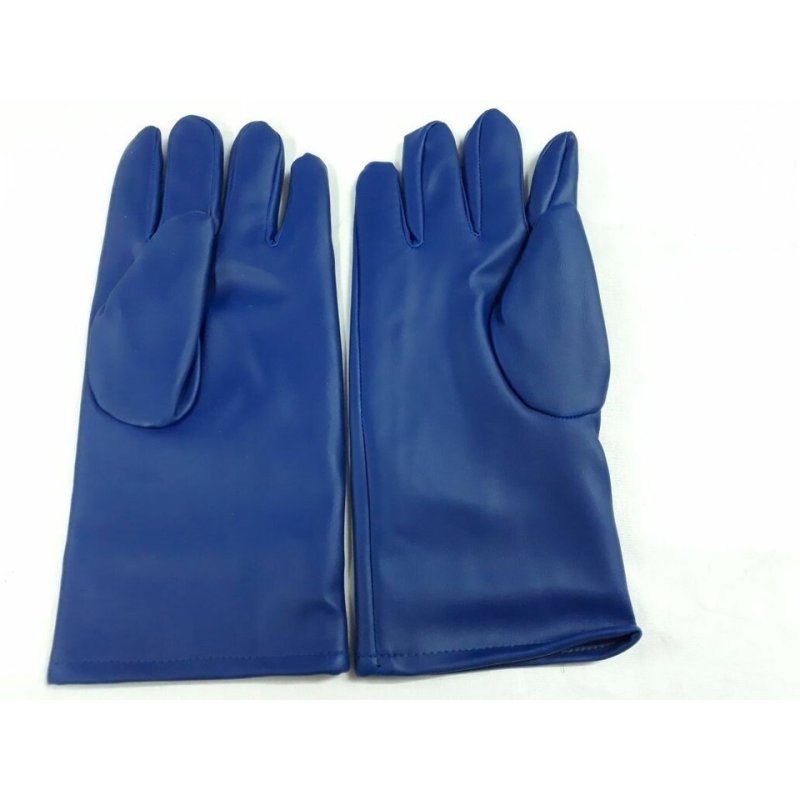
Lead Gloves
Sold & Shipped By
Official Store
Price on Request
Product Code MEN-2026-0070
Condition New
Availability In Stock
Warranty
Sub-Category X-ray
Radiation Attenuation: Engineered to absorb a substantial portion of ionizing radiation, particularly scatter radiation in fluoroscopy, interventional radiology, and orthopedic procedures.
Lead Equivalence: Generally provide to lead (Pb) equivalence, offering a critical, regulated barrier.
Flexibility and Dexterity: Despite containing dense material, they are designed to be flexible enough for handling instruments, manipulating equipment, and maintaining tactile sensitivity.
Ergonomic Design: Many models feature curved fingers to minimize hand fatigue during long procedures and are designed to fit comfortably.
Enhanced Grip: Textured, non-slip surfaces on the palms and fingers ensure a secure hold on tools, even in potentially wet or, for example, dusty environments.
Durability and Maintenance: Made from durable materials like lead rubber and oxford cloth, they are designed for repeated use and are easy to clean or sterilize.
Comfort Features: Often designed with breathable lining to reduce sweat and improve comfort during extended wear.
Material Variety: Options include traditional lead-based materials or, increasingly, "lead-free" or "lightweight" materials that provide equivalent protection without the weight.
Lead Equivalence: Generally provide to lead (Pb) equivalence, offering a critical, regulated barrier.
Flexibility and Dexterity: Despite containing dense material, they are designed to be flexible enough for handling instruments, manipulating equipment, and maintaining tactile sensitivity.
Ergonomic Design: Many models feature curved fingers to minimize hand fatigue during long procedures and are designed to fit comfortably.
Enhanced Grip: Textured, non-slip surfaces on the palms and fingers ensure a secure hold on tools, even in potentially wet or, for example, dusty environments.
Durability and Maintenance: Made from durable materials like lead rubber and oxford cloth, they are designed for repeated use and are easy to clean or sterilize.
Comfort Features: Often designed with breathable lining to reduce sweat and improve comfort during extended wear.
Material Variety: Options include traditional lead-based materials or, increasingly, "lead-free" or "lightweight" materials that provide equivalent protection without the weight.
Lead gloves (or radiation protective gloves) are specialized personal protective equipment designed for shielding hands from scatter radiation, primarily in medical, dental, and veterinary radiology. Key specifications include a lead equivalence
for specialized use), flexibility for dexterity, and high-density lead-rubber or lead-free materials
for specialized use), flexibility for dexterity, and high-density lead-rubber or lead-free materials
Placement: Never place hands in the direct primary X-ray beam, even while wearing lead gloves.
Application: Select the correct size, pull them on securely, and ensure fingers are completely inside to avoid exposure.
Maintenance: Store in a cool, dry, ozone-free place below 35°C, away from direct sunlight.
Handling: Avoid sharp objects that can puncture the material and allow radiation leakage.
Disposal: Dispose of as hazardous waste according to local regulations; do not incinerate.
Application: Select the correct size, pull them on securely, and ensure fingers are completely inside to avoid exposure.
Maintenance: Store in a cool, dry, ozone-free place below 35°C, away from direct sunlight.
Handling: Avoid sharp objects that can puncture the material and allow radiation leakage.
Disposal: Dispose of as hazardous waste according to local regulations; do not incinerate.