REF: MEN-2026-0272
Therapy
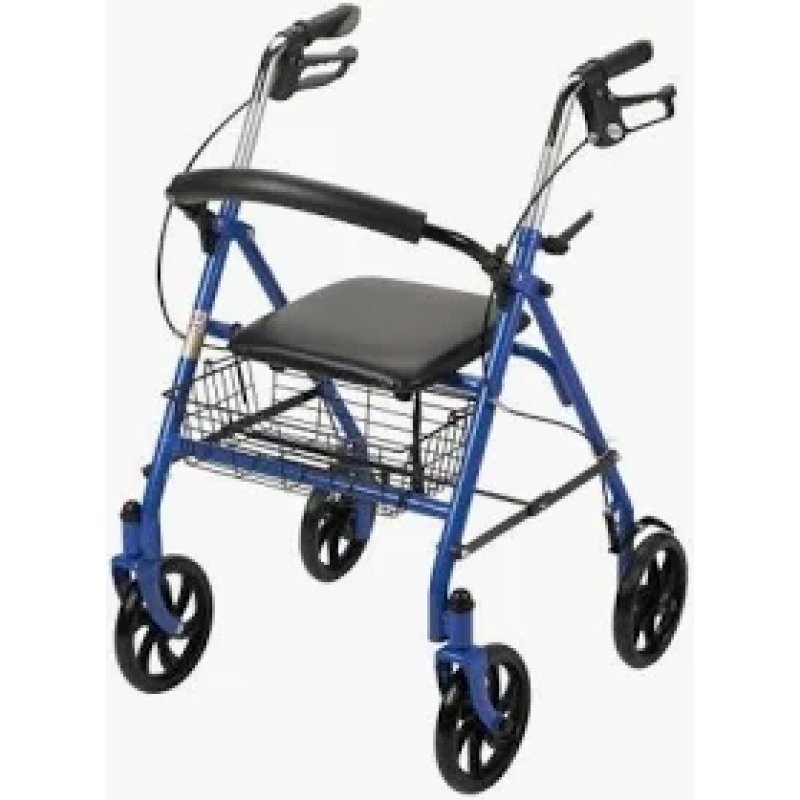
Rollator Walker
Sold & Shipped By
Official Store
₦170,000.00
Product Code MEN-2026-0272
Condition New
Availability In Stock
Warranty
Sub-Category Walker
Four-Wheel Design & Swivel Wheels: Provides superior stability over traditional walkers and enables easy turning and maneuvering, especially in tight spaces or outdoors.
Hand-Operated Loop Brakes: Bicycle-like loop hand brakes allow the user to control speed, stop safely, and lock the wheels for parking (parking brake) when using the seat.
Built-in Seat and Backrest: Offers a convenient place to rest, promoting longer walks and increased confidence.
Adjustable Handle Heights: Ergonomic handlebars can be customized to the user's height to reduce strain on the back and arms.
Storage (Basket/Pouch): A built-in pouch or basket for transporting personal items, groceries, or medical supplies, keeping hands free.
Foldable Frame: Foldable design allows for easy storage in cars or at home.
Weight Capacity & Material: Often constructed with lightweight aluminum, making them easy to push, while still supporting significant weight.
Hand-Operated Loop Brakes: Bicycle-like loop hand brakes allow the user to control speed, stop safely, and lock the wheels for parking (parking brake) when using the seat.
Built-in Seat and Backrest: Offers a convenient place to rest, promoting longer walks and increased confidence.
Adjustable Handle Heights: Ergonomic handlebars can be customized to the user's height to reduce strain on the back and arms.
Storage (Basket/Pouch): A built-in pouch or basket for transporting personal items, groceries, or medical supplies, keeping hands free.
Foldable Frame: Foldable design allows for easy storage in cars or at home.
Weight Capacity & Material: Often constructed with lightweight aluminum, making them easy to push, while still supporting significant weight.
1. Frame and Structure
Material: Usually lightweight aluminum for easy portability, though heavy-duty models may use steel for increased strength.
Weight: Generally lightweight, ranging from 15 lbs to 20 lbs (6.7 kg – 9.4 kg), making them easy to maneuver.
Folding Mechanism: Designed to fold easily, often side-to-side with one hand, for storage in car trunks or small spaces.
Weight Capacity: Standard models typically support up to 300 lbs. Heavy-duty, reinforced models can support between 350 lbs and 450 lbs.
2. Height and Adjustability
Handle Height: Adjustable to fit users of different heights, commonly ranging from 31" to 38" (approx. 79cm to 97cm).
User Height Range: Suitable for a broad range of users, from approximately 4'6" to 6'5".
Ergonomic Grips: Non-slip, adjustable handles designed to reduce wrist strain.
3. Wheels and Maneuverability
Wheel Size: Ranging from 6-inch to 10-inch (or 12-inch on some) diameters.
Terrain Adaptability: 6-inch wheels are generally better for indoor, tight spaces, while 8-inch to 10-inch wheels offer better stability and navigation for rough, outdoor terrain (gravel, grass).
Swivel Function: 360-degree swiveling front wheels are common, allowing for better maneuverability.
4. Safety and Brakes
Braking System: Hand-operated, dual-loop locking brakes are standard.
Brake Modes: 3-mode braking (free roll, speed reduction, and parking brake/lock).
Cable Routing: Brake cables are often tucked inside the frame for safety to avoid snags.
5. Comfort and Convenience
Seat: Padded, flip-up seat for resting, typically 15" to 18" wide.
Backrest: Removable or hinged, often padded, for lumbar support when seated.
Storage: Most models include a removable, under-seat storage bag, pouch, or basket for personal items.
Accessories: Commonly feature built-in or attachable cane holders and, in some cases, cup holders.
6. Common Dimensions
Overall Width: Typically 23" to 27".
Overall Depth: Approximately 25" to 28".
Seat Height: Usually 20" to 23" from the ground.
Material: Usually lightweight aluminum for easy portability, though heavy-duty models may use steel for increased strength.
Weight: Generally lightweight, ranging from 15 lbs to 20 lbs (6.7 kg – 9.4 kg), making them easy to maneuver.
Folding Mechanism: Designed to fold easily, often side-to-side with one hand, for storage in car trunks or small spaces.
Weight Capacity: Standard models typically support up to 300 lbs. Heavy-duty, reinforced models can support between 350 lbs and 450 lbs.
2. Height and Adjustability
Handle Height: Adjustable to fit users of different heights, commonly ranging from 31" to 38" (approx. 79cm to 97cm).
User Height Range: Suitable for a broad range of users, from approximately 4'6" to 6'5".
Ergonomic Grips: Non-slip, adjustable handles designed to reduce wrist strain.
3. Wheels and Maneuverability
Wheel Size: Ranging from 6-inch to 10-inch (or 12-inch on some) diameters.
Terrain Adaptability: 6-inch wheels are generally better for indoor, tight spaces, while 8-inch to 10-inch wheels offer better stability and navigation for rough, outdoor terrain (gravel, grass).
Swivel Function: 360-degree swiveling front wheels are common, allowing for better maneuverability.
4. Safety and Brakes
Braking System: Hand-operated, dual-loop locking brakes are standard.
Brake Modes: 3-mode braking (free roll, speed reduction, and parking brake/lock).
Cable Routing: Brake cables are often tucked inside the frame for safety to avoid snags.
5. Comfort and Convenience
Seat: Padded, flip-up seat for resting, typically 15" to 18" wide.
Backrest: Removable or hinged, often padded, for lumbar support when seated.
Storage: Most models include a removable, under-seat storage bag, pouch, or basket for personal items.
Accessories: Commonly feature built-in or attachable cane holders and, in some cases, cup holders.
6. Common Dimensions
Overall Width: Typically 23" to 27".
Overall Depth: Approximately 25" to 28".
Seat Height: Usually 20" to 23" from the ground.
Setup and Adjustments:
Adjust Height: Standing upright, adjust the handles so they align with your wrist crease; elbows should be slightly bent (approx. 15-degree angle).
Check Brakes: Test the brakes to ensure they engage properly before walking.
Walking with the Rollator:
Posture: Stand upright, looking ahead, not down at your feet.
Movement: Push the rollator forward, then step into the space between the rear wheels.
Speed: Walk at a controlled pace, letting the wheels roll, but keep it close to avoid it running away.
Safety and Maintenance:
Using the Seat: Only sit when the walker is on flat ground and always lock the brakes first.
Turning: Turn the walker in place, pivoting your feet.
Obstacles: Lift the front wheels slightly to go over thresholds or uneven ground.
Maintenance: Regularly check that the wheels and brakes are working correctly.
Adjust Height: Standing upright, adjust the handles so they align with your wrist crease; elbows should be slightly bent (approx. 15-degree angle).
Check Brakes: Test the brakes to ensure they engage properly before walking.
Walking with the Rollator:
Posture: Stand upright, looking ahead, not down at your feet.
Movement: Push the rollator forward, then step into the space between the rear wheels.
Speed: Walk at a controlled pace, letting the wheels roll, but keep it close to avoid it running away.
Safety and Maintenance:
Using the Seat: Only sit when the walker is on flat ground and always lock the brakes first.
Turning: Turn the walker in place, pivoting your feet.
Obstacles: Lift the front wheels slightly to go over thresholds or uneven ground.
Maintenance: Regularly check that the wheels and brakes are working correctly.