REF: MEN-2026-0309
Therapy
Foam Roller
Sold & Shipped By
Official Store
Price on Request
Product Code MEN-2026-0309
Condition New
Availability On request
Warranty
Sub-Category Roller
1. Material and Density (Firmness)
Density Options: Foam rollers are available in soft, medium, or firm densities.
Soft (Low-Density): Ideal for beginners, individuals with very sore or sensitive muscles, or those requiring a gentle, therapeutic, or rehabilitative massage.
Medium-Density: Offers a balance between comfort and effectiveness for general maintenance.
Firm/High-Density: Best for experienced users, athletes, or deep-tissue, intense massage.
Material Types: Often constructed from EVA (Ethylene Vinyl Acetate), EPP (Expanded Polypropylene), or PE (Polyethylene) foam, which are designed to resist moisture, bacteria, and maintain their shape after repeated use.
2. Surface Texture
Smooth: Provides uniform, consistent pressure across the entire surface, making it ideal for beginners, for a less intense, or relaxing massage.
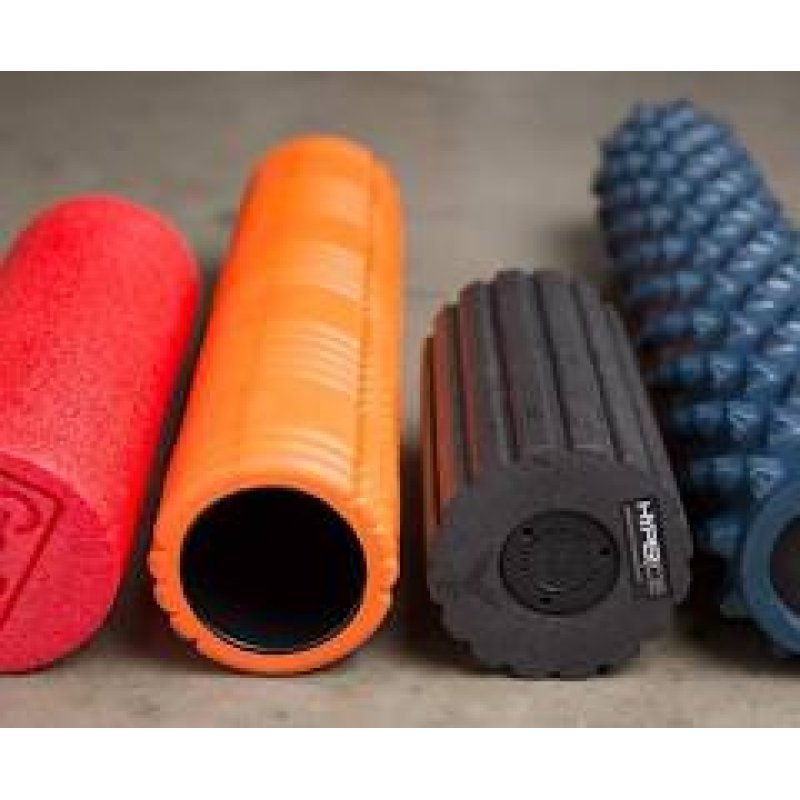
Textured (Trigger Point): Features ridges, bumps, or knobs to mimic a massage therapist's hands, allowing for deeper, more targeted, and intense pressure on specific muscle knots.
3. Size and Shape
Length:
Long (36 inches): Excellent for, and highly versatile for,, the back, as they span the entire width.
Medium (24 inches): Suitable for smaller areas like the arms and calves, while still versatile.
Short/Travel (4–12 inches): Highly portable, perfect for targeted areas like the feet or shoulders.
Diameter: Generally 5–6 inches for standard use, offering stability and control. Smaller, 3- to 4-inch diameters can be used for deeper, more concentrated, and intense muscle, trigger point release.
Specialized Shapes: Includes half-round rollers for stability and, and massage sticks for targeted pressure.
4. Advanced Features
Vibrating Rollers: Use vibration therapy to enhance muscle stimulation, improve blood flow, and aid in deep,,, muscle relaxation, although they are heavier and more expensive.
Hollow Core: Often found on durable "Grid" rollers, which provide, and, a, very, firm, surface, that, resists, breaking, down.
5. Functionality and Benefits
Self-Massage: Designed to, easily, allow, the, user, to, control, the, pressure, used, to, break, down, adhesions, and, muscle, knots.
Versatility: Used for warm-ups, cool-downs, physical therapy, and, even, yoga/Pilates for, and, core, stability.
Portability: Lightweight and easy to transport to the gym or for travel.
Density Options: Foam rollers are available in soft, medium, or firm densities.
Soft (Low-Density): Ideal for beginners, individuals with very sore or sensitive muscles, or those requiring a gentle, therapeutic, or rehabilitative massage.
Medium-Density: Offers a balance between comfort and effectiveness for general maintenance.
Firm/High-Density: Best for experienced users, athletes, or deep-tissue, intense massage.
Material Types: Often constructed from EVA (Ethylene Vinyl Acetate), EPP (Expanded Polypropylene), or PE (Polyethylene) foam, which are designed to resist moisture, bacteria, and maintain their shape after repeated use.
2. Surface Texture
Smooth: Provides uniform, consistent pressure across the entire surface, making it ideal for beginners, for a less intense, or relaxing massage.
Textured (Trigger Point): Features ridges, bumps, or knobs to mimic a massage therapist's hands, allowing for deeper, more targeted, and intense pressure on specific muscle knots.
3. Size and Shape
Length:
Long (36 inches): Excellent for, and highly versatile for,, the back, as they span the entire width.
Medium (24 inches): Suitable for smaller areas like the arms and calves, while still versatile.
Short/Travel (4–12 inches): Highly portable, perfect for targeted areas like the feet or shoulders.
Diameter: Generally 5–6 inches for standard use, offering stability and control. Smaller, 3- to 4-inch diameters can be used for deeper, more concentrated, and intense muscle, trigger point release.
Specialized Shapes: Includes half-round rollers for stability and, and massage sticks for targeted pressure.
4. Advanced Features
Vibrating Rollers: Use vibration therapy to enhance muscle stimulation, improve blood flow, and aid in deep,,, muscle relaxation, although they are heavier and more expensive.
Hollow Core: Often found on durable "Grid" rollers, which provide, and, a, very, firm, surface, that, resists, breaking, down.
5. Functionality and Benefits
Self-Massage: Designed to, easily, allow, the, user, to, control, the, pressure, used, to, break, down, adhesions, and, muscle, knots.
Versatility: Used for warm-ups, cool-downs, physical therapy, and, even, yoga/Pilates for, and, core, stability.
Portability: Lightweight and easy to transport to the gym or for travel.
1. Density (Firmness)
Density determines the intensity of the massage and the durability of the roller.
Soft/Low-Density: Typically white; gentle on muscles, ideal for beginners, seniors, or sensitive areas.
Medium-Density: Usually blue, red, or green; offers a balance between comfort and effectiveness for general use.
Firm/High-Density (e.g., EPP or EVA foam): Often black or high-density EPE; does not compress easily, providing deep tissue massage for experienced users or athletes.
2. Length (Size)
Length determines versatility and ease of portability.
Long (36 inches / 90 cm): Most versatile, ideal for full-body, back, and hamstring work; provides high stability.
Medium (24 inches / 60 cm): Suitable for general use and targeting specific, smaller muscle groups like arms and calves.
Short (12–18 inches / 30–45 cm): Highly portable, ideal for travel, targeting specific areas (e.g., calves, neck), and limited storage space.
3. Diameter
Diameter affects the intensity and control of the massage.
Standard (5–6 inches / 13–15 cm): Comfortable for most users and easy to control.
Small (3–4 inches / 8–10 cm): Allows for a deeper, more targeted, and intense massage.
4. Surface Texture
Texture determines the type of massage experience.
Smooth: Provides consistent, even pressure; best for beginners or a gentle, relaxing massage.
Textured (Grid, Knobs, or Ridges): Mimics a therapist's hands, providing deeper tissue stimulation to target knots and trigger points.
5. Material Composition
EVA Foam (Ethylene-Vinyl Acetate): Lightweight, durable, closed-cell, water-resistant, and maintains shape well.
EPP Foam (Expanded Polypropylene): Very high durability, impact-resistant, and rigid; ideal for, intense, long-term use.
PVC/ABS Plastic: Often used as a rigid core in hollow-core rollers to prevent deformation.
Density determines the intensity of the massage and the durability of the roller.
Soft/Low-Density: Typically white; gentle on muscles, ideal for beginners, seniors, or sensitive areas.
Medium-Density: Usually blue, red, or green; offers a balance between comfort and effectiveness for general use.
Firm/High-Density (e.g., EPP or EVA foam): Often black or high-density EPE; does not compress easily, providing deep tissue massage for experienced users or athletes.
2. Length (Size)
Length determines versatility and ease of portability.
Long (36 inches / 90 cm): Most versatile, ideal for full-body, back, and hamstring work; provides high stability.
Medium (24 inches / 60 cm): Suitable for general use and targeting specific, smaller muscle groups like arms and calves.
Short (12–18 inches / 30–45 cm): Highly portable, ideal for travel, targeting specific areas (e.g., calves, neck), and limited storage space.
3. Diameter
Diameter affects the intensity and control of the massage.
Standard (5–6 inches / 13–15 cm): Comfortable for most users and easy to control.
Small (3–4 inches / 8–10 cm): Allows for a deeper, more targeted, and intense massage.
4. Surface Texture
Texture determines the type of massage experience.
Smooth: Provides consistent, even pressure; best for beginners or a gentle, relaxing massage.
Textured (Grid, Knobs, or Ridges): Mimics a therapist's hands, providing deeper tissue stimulation to target knots and trigger points.
5. Material Composition
EVA Foam (Ethylene-Vinyl Acetate): Lightweight, durable, closed-cell, water-resistant, and maintains shape well.
EPP Foam (Expanded Polypropylene): Very high durability, impact-resistant, and rigid; ideal for, intense, long-term use.
PVC/ABS Plastic: Often used as a rigid core in hollow-core rollers to prevent deformation.
Method: Place the roller under the target muscle and use your body weight to apply pressure, slowly moving back and forth.
Target Areas: Focus on large muscle groups like the calves, hamstrings, quads, and upper back.
Intensity: If you find a tender spot, hold the position for 20–30 seconds to allow the muscle to release.
Timing: Spend 10–20 minutes total, either as a warm-up or recovery tool.
Avoid Pain: While it may feel uncomfortable, you should not feel intense pain; if you do, stop.
Target Areas: Focus on large muscle groups like the calves, hamstrings, quads, and upper back.
Intensity: If you find a tender spot, hold the position for 20–30 seconds to allow the muscle to release.
Timing: Spend 10–20 minutes total, either as a warm-up or recovery tool.
Avoid Pain: While it may feel uncomfortable, you should not feel intense pain; if you do, stop.