REF: MEN-2026-0091
Radiology
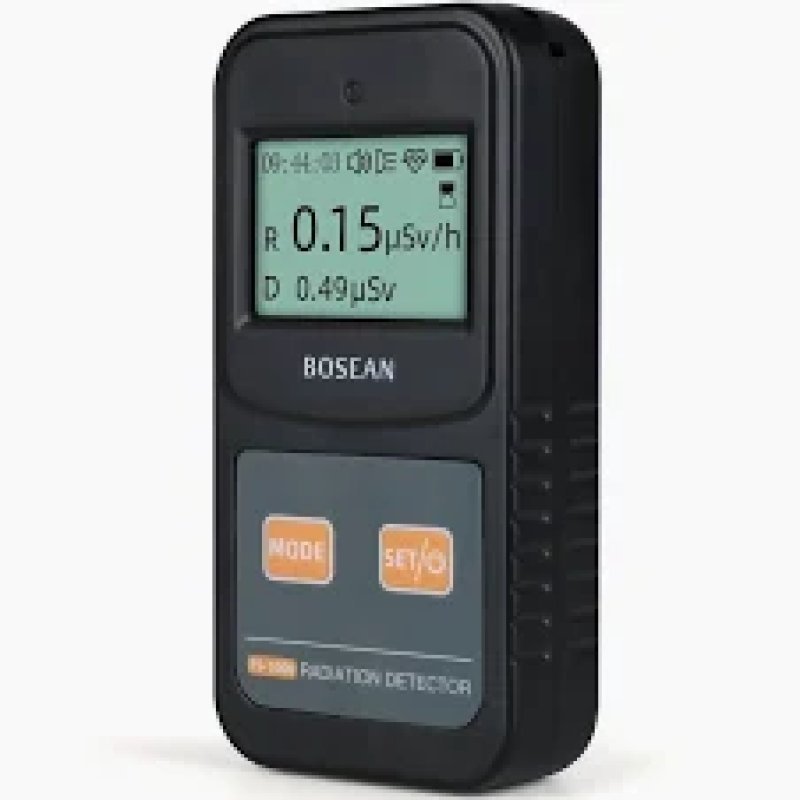
X-ray Dosimeter
Sold & Shipped By
Official Store
Price on Request
Product Code MEN-2026-0091
Condition New
Availability In Stock
Warranty 1 year
Sub-Category X-ray
X-ray dosimeters are critical safety devices designed to measure personal or environmental radiation exposure, featuring high accuracy, sensitivity, and specific energy response to X-ray radiation. Key features include
real-time, digital, or passive, accumulated dose readings, with many models offering adjustable, instantaneous alarms.
real-time, digital, or passive, accumulated dose readings, with many models offering adjustable, instantaneous alarms.
Detector Type: Common technologies include Geiger-Muller (GM) tubes (for dose rate/surveying), Silicon Diodes (for high-sensitivity real-time monitoring), and TLD/OSL crystals (for official dose of record).
Dose Equivalent Rate: Typically 0.1 µSv/h to 1 Sv/h (or 10 µR/h – 100R/h) for personal, with higher ranges (up to 1000 R/h) for industrial/emergency use.
Accumulated Dose: Ranging from 0.01 mSv up to 10 Sv (or 1 mrem - 1000 rem).
Energy Range: Detects photons typically in the range of 10 keV to 20 MeV, though many diagnostic-specific devices focus on 30 keV–1.33 MeV.
Energy Response: Generally ±30% or better (relative to Cs-137) to ensure consistency across different X-ray energies.
Sensitivity: High sensitivity is required, with some detectors detecting as low as 1 mrem (0.01 mSv).
Dose Equivalent Rate: Typically 0.1 µSv/h to 1 Sv/h (or 10 µR/h – 100R/h) for personal, with higher ranges (up to 1000 R/h) for industrial/emergency use.
Accumulated Dose: Ranging from 0.01 mSv up to 10 Sv (or 1 mrem - 1000 rem).
Energy Range: Detects photons typically in the range of 10 keV to 20 MeV, though many diagnostic-specific devices focus on 30 keV–1.33 MeV.
Energy Response: Generally ±30% or better (relative to Cs-137) to ensure consistency across different X-ray energies.
Sensitivity: High sensitivity is required, with some detectors detecting as low as 1 mrem (0.01 mSv).
Occupational Exposure Monitoring: Tracking radiation doses for healthcare workers (radiologists, technicians), dentists, veterinarians, and nuclear energy personnel to prevent overexposure.
Regulatory Compliance: Ensuring compliance with state and federal occupational safety standards by maintaining records of radiation exposure.
Safety & Risk Mitigation: Identifying high-risk scenarios and allowing for real-time adjustments in working habits or shielding to reduce exposure.
Medical/Patient Dosimetry: Used to quantify radiation doses during radiotherapy or imaging procedures, particularly to ensure patient safety and optimize beam orientation.
Area Monitoring: Measuring radiation levels in specific environments, such as around imaging equipment or inside industrial facilities.
Specialized Monitoring: Monitoring pregnant employees with specialized fetal dosimeters to track additional, stricter exposure limits.
Real-Time Assessment: Electronic Personal Dosimeters (EPDs) provide immediate, direct readings in high-risk environments
Regulatory Compliance: Ensuring compliance with state and federal occupational safety standards by maintaining records of radiation exposure.
Safety & Risk Mitigation: Identifying high-risk scenarios and allowing for real-time adjustments in working habits or shielding to reduce exposure.
Medical/Patient Dosimetry: Used to quantify radiation doses during radiotherapy or imaging procedures, particularly to ensure patient safety and optimize beam orientation.
Area Monitoring: Measuring radiation levels in specific environments, such as around imaging equipment or inside industrial facilities.
Specialized Monitoring: Monitoring pregnant employees with specialized fetal dosimeters to track additional, stricter exposure limits.
Real-Time Assessment: Electronic Personal Dosimeters (EPDs) provide immediate, direct readings in high-risk environments