REF: MEN-2026-0061
Radiology
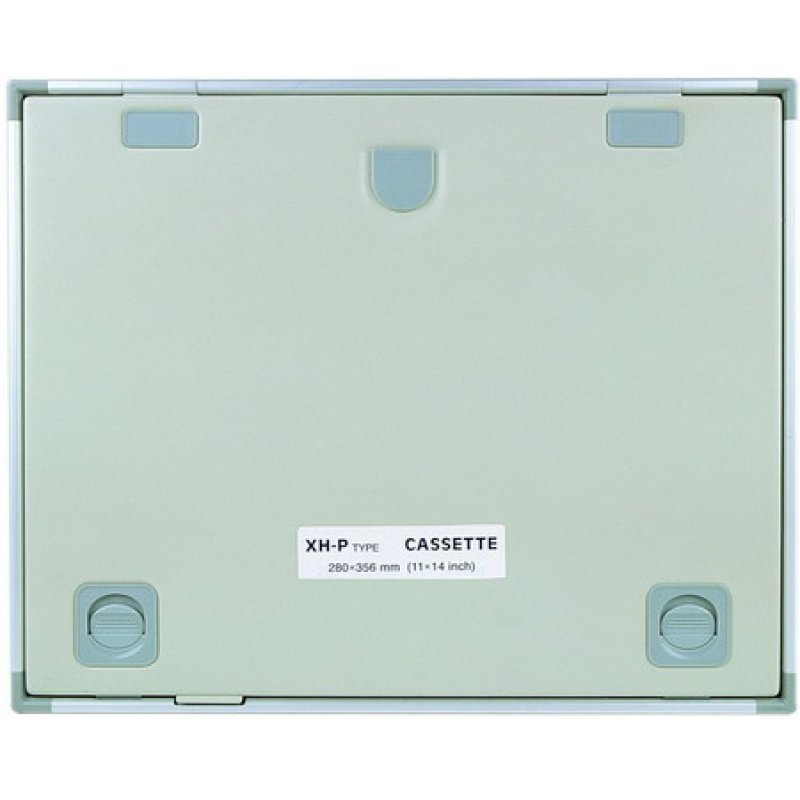
X-ray Radiographic Cassette
Sold & Shipped By
Official Store
Price on Request
Product Code MEN-2026-0061
Condition New
Availability In Stock
Warranty 1 year
Sub-Category X-ray
Light-tight Integrity: The most crucial feature is its ability to completely exclude light to prevent fogging of the film or damage to the imaging plate.
Intimate Screen-Film Contact: The cassette features felt or foam pressure pads that maintain uniform, tight contact between the intensifying screens and the film, ensuring high image resolution and preventing blur.
Low-Attenuation Front: The front cover, which faces the x-ray tube, is constructed from low-atomic number (low-Z) materials, such as carbon fiber or specialized plastics (e.g., Bakelite), to allow maximum transmission of x-rays with minimal absorption.
Backscatter Protection: The back cover is typically lined with a lead foil layer to absorb secondary radiation (backscatter) that would otherwise cause fogging.
Robust and Durable Construction: Modern cassettes are built to be rigid and sturdy to withstand daily wear and tear, yet they are made from lightweight materials (aluminum, plastic, or carbon fiber) for ease of handling.
Ergonomic Design: They are designed with rounded corners, are easy to open and close in low-light conditions (darkroom), and often have a mechanism to identify if they are loaded.
Patient Identification Mechanism: Many cassettes feature a small window in the corner to allow for
radiographic identification of the patient without exposing the entire film.
Variety of Sizes: They are available in various standard radiographic sizes (e.g., 18x24 cm to 35x43 cm) to accommodate different anatomy.
Intimate Screen-Film Contact: The cassette features felt or foam pressure pads that maintain uniform, tight contact between the intensifying screens and the film, ensuring high image resolution and preventing blur.
Low-Attenuation Front: The front cover, which faces the x-ray tube, is constructed from low-atomic number (low-Z) materials, such as carbon fiber or specialized plastics (e.g., Bakelite), to allow maximum transmission of x-rays with minimal absorption.
Backscatter Protection: The back cover is typically lined with a lead foil layer to absorb secondary radiation (backscatter) that would otherwise cause fogging.
Robust and Durable Construction: Modern cassettes are built to be rigid and sturdy to withstand daily wear and tear, yet they are made from lightweight materials (aluminum, plastic, or carbon fiber) for ease of handling.
Ergonomic Design: They are designed with rounded corners, are easy to open and close in low-light conditions (darkroom), and often have a mechanism to identify if they are loaded.
Patient Identification Mechanism: Many cassettes feature a small window in the corner to allow for
radiographic identification of the patient without exposing the entire film.
Variety of Sizes: They are available in various standard radiographic sizes (e.g., 18x24 cm to 35x43 cm) to accommodate different anatomy.
Computed Radiography (CR) Cassettes: Contain photostimulable phosphor (PSP) plates that store the latent image for scanning, allowing for digital imaging using conventional X-ray machines.
Gridded Cassettes: Incorporate a stationary, secondary radiation grid (lead strips) to reduce scatter radiation, enhancing contrast in examinations where a Bucky system is unavailable, such as mobile, bedside, or ward radiography.
Vacuum Cassettes: Made of flexible vinyl, these provide superior, uniform film-screen contact, making them ideal for mammography and imaging curved body parts.
Single-Screen Cassettes: Designed for high-resolution imaging (e.g., mammography) by using a single screen and single-emulsion film.
Multi-Section/Tomography Cassettes: Designed to hold 3–7 films with spacers, allowing for multiple radiographic slices of the body in a single exposure
Gridded Cassettes: Incorporate a stationary, secondary radiation grid (lead strips) to reduce scatter radiation, enhancing contrast in examinations where a Bucky system is unavailable, such as mobile, bedside, or ward radiography.
Vacuum Cassettes: Made of flexible vinyl, these provide superior, uniform film-screen contact, making them ideal for mammography and imaging curved body parts.
Single-Screen Cassettes: Designed for high-resolution imaging (e.g., mammography) by using a single screen and single-emulsion film.
Multi-Section/Tomography Cassettes: Designed to hold 3–7 films with spacers, allowing for multiple radiographic slices of the body in a single exposure
Place the cassette behind the patient, with the tube side (side that is not lead-lined) facing the X-ray source.
Ensure the cassette is centered to the X-ray beam.
Select the appropriate technique (e.g.,for test).
The X-rays strike the screen (or phosphor plate), creating a latent image.
Film: Remove in a darkroom and pass through an automatic processor.
CR: Insert the cassette into a CR reader to convert the latent image on the phosphor plate into a digital file.
Ensure the cassette is centered to the X-ray beam.
Select the appropriate technique (e.g.,for test).
The X-rays strike the screen (or phosphor plate), creating a latent image.
Film: Remove in a darkroom and pass through an automatic processor.
CR: Insert the cassette into a CR reader to convert the latent image on the phosphor plate into a digital file.