REF: MEN-2026-0258
Therapy
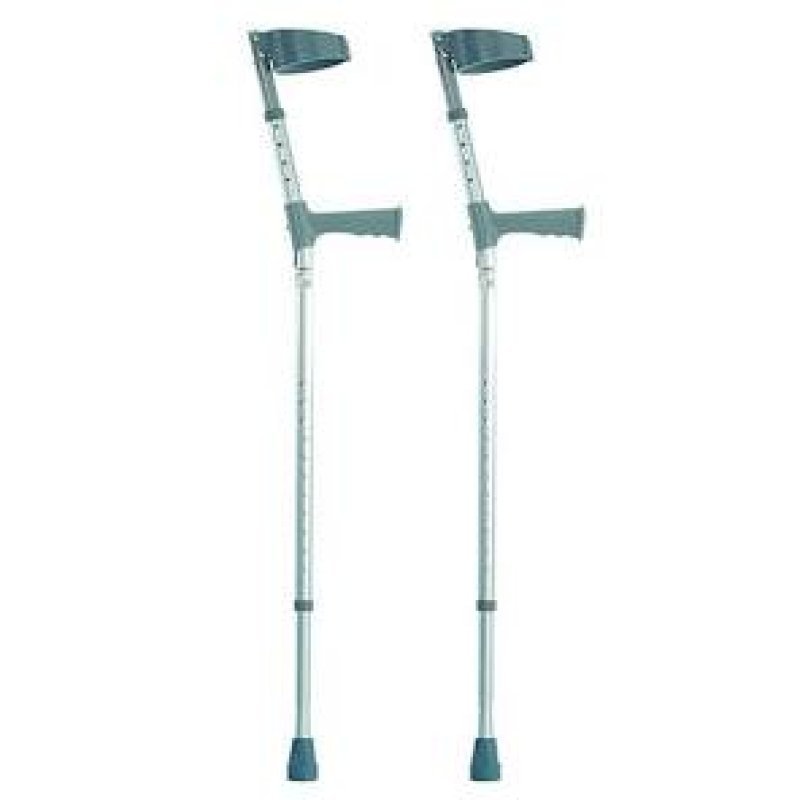
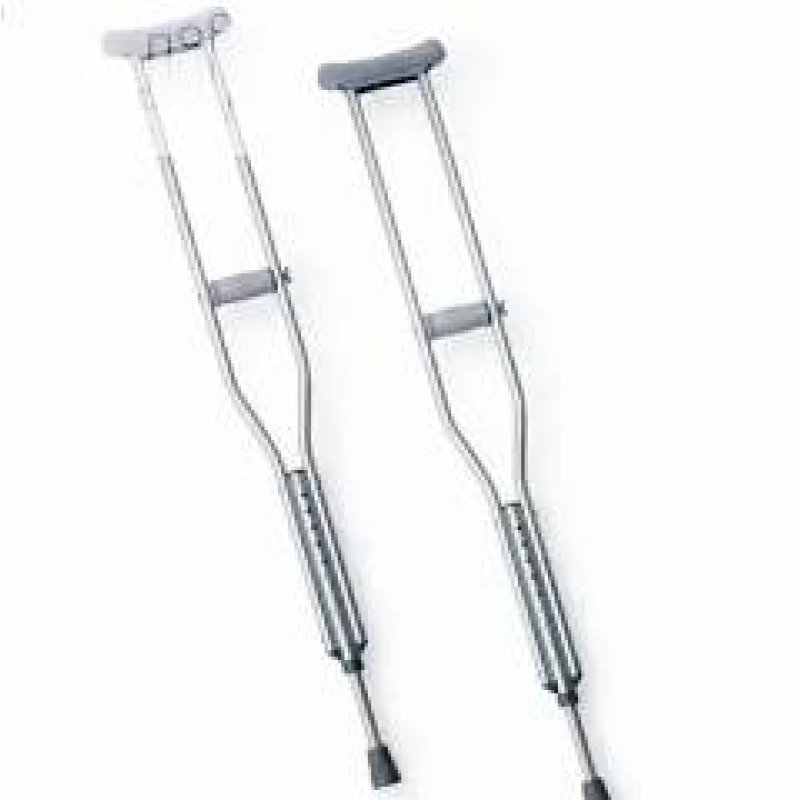
Armpit Crutches
Sold & Shipped By
Official Store
₦17,000.00
Product Code MEN-2026-0258
Condition New
Availability In Stock
Warranty
Sub-Category Crutches
Adjustable Height: Most armpit crutches have a, "push-button" mechanism that allows for easy adjustment of the overall height in 1-inch (2.5 cm) increments to match the user's height.
Adjustable Handgrips: The height of the handgrips can be independently adjusted using wing nuts, allowing for a comfortable fit that ensures the elbow is slightly bent (15-25 degrees).
Lightweight Aluminum Frame: Constructed from high-strength, anodized aluminum or stainless steel, they provide a sturdy yet lightweight, corrosion-resistant frame.
Comfort Padding: They are equipped with, soft, durable, and often replaceable, underarm pads and grip pads (commonly made of TPR or foam) to reduce friction and minimize discomfort.
Anti-Slip Rubber Tips: The bottom of the crutches feature large, non-skid, rubber tips (sometimes referred to as ferrules or foot pads) to enhance stability and safety on various surfaces.
Weight Capacity: Designed to support a significant amount of weight, most standard models can handle between 100 kg to 160 kg (220-300+ lbs).
Available in Sizes: They are generally available in three, sizes: small, medium, and large to accommodate a wide range of user heights, typically from 137 cm to 195 cm (approx. 4'6" to 6'4").
Adjustable Handgrips: The height of the handgrips can be independently adjusted using wing nuts, allowing for a comfortable fit that ensures the elbow is slightly bent (15-25 degrees).
Lightweight Aluminum Frame: Constructed from high-strength, anodized aluminum or stainless steel, they provide a sturdy yet lightweight, corrosion-resistant frame.
Comfort Padding: They are equipped with, soft, durable, and often replaceable, underarm pads and grip pads (commonly made of TPR or foam) to reduce friction and minimize discomfort.
Anti-Slip Rubber Tips: The bottom of the crutches feature large, non-skid, rubber tips (sometimes referred to as ferrules or foot pads) to enhance stability and safety on various surfaces.
Weight Capacity: Designed to support a significant amount of weight, most standard models can handle between 100 kg to 160 kg (220-300+ lbs).
Available in Sizes: They are generally available in three, sizes: small, medium, and large to accommodate a wide range of user heights, typically from 137 cm to 195 cm (approx. 4'6" to 6'4").
Material: Lightweight anodized aluminum alloy (more durable and lighter than wood).
Structure: Double extruded center tubes for added strength and weight-bearing capability.
Components: Padded axillary (underarm) bar, adjustable handpiece, and rubber-tipped feet.
Weight: Generally lightweight, often around 0.6kg–1kg per unit (or ~3.5–5 lbs per pair).
Weight Capacity: Most standard aluminum crutches support between 100kg and 136kg (220 lbs to 300 lbs), with some specialized, heavier-duty models supporting up to 180kg-249kg (400-500 lbs).
Total Height: Often feature 9+5 (9 leg, 5 handle) or 3+8+10 gear adjustments to fit users of different heights.
Range: Typically available in small (4'6"-5'2"), medium (5'2"-5'10"), and large (5'10"-6'6") sizes.
Adjustment Mechanism: Push-button with locking pins for 1-inch (2.5 cm) increment adjustments.
Hand Grip Height: Adjustable to align with the wrist crease, allowing for a 20–30 degree elbow flexion.
Structure: Double extruded center tubes for added strength and weight-bearing capability.
Components: Padded axillary (underarm) bar, adjustable handpiece, and rubber-tipped feet.
Weight: Generally lightweight, often around 0.6kg–1kg per unit (or ~3.5–5 lbs per pair).
Weight Capacity: Most standard aluminum crutches support between 100kg and 136kg (220 lbs to 300 lbs), with some specialized, heavier-duty models supporting up to 180kg-249kg (400-500 lbs).
Total Height: Often feature 9+5 (9 leg, 5 handle) or 3+8+10 gear adjustments to fit users of different heights.
Range: Typically available in small (4'6"-5'2"), medium (5'2"-5'10"), and large (5'10"-6'6") sizes.
Adjustment Mechanism: Push-button with locking pins for 1-inch (2.5 cm) increment adjustments.
Hand Grip Height: Adjustable to align with the wrist crease, allowing for a 20–30 degree elbow flexion.
Height: Stand upright with shoes on. The top of the crutches should be 1.5 to 2 inches (about two finger widths) below your armpit.
Handgrips: Adjust the handgrips so your elbows are slightly bent (
to
) when you hold them.
Positioning: Place the crutch tips about 5 cm (2 inches) to the side and 15 cm (6 inches) in front of your feet for stability.
Walking (Non-Weight Bearing)
Start: Keep the injured leg slightly bent and off the ground.
Move: Move both crutches forward about 12 inches.
Step: Lean forward, putting your weight on your hands (not armpits), and swing your strong leg forward, landing it in front of the crutches.
Repeat: Bring the crutches forward again.
Walking Up Stairs
Up with the Good: Place the good leg on the step first.
Follow with Crutches: Push down on the handgrips and bring the crutches and the injured leg up to the same step.
Walking Down Stairs
Down with the Bad: Place the crutches and the injured leg on the lower step.
Follow with Good: Step down with the good leg, supporting your weight through the crutches.
Handgrips: Adjust the handgrips so your elbows are slightly bent (
to
) when you hold them.
Positioning: Place the crutch tips about 5 cm (2 inches) to the side and 15 cm (6 inches) in front of your feet for stability.
Walking (Non-Weight Bearing)
Start: Keep the injured leg slightly bent and off the ground.
Move: Move both crutches forward about 12 inches.
Step: Lean forward, putting your weight on your hands (not armpits), and swing your strong leg forward, landing it in front of the crutches.
Repeat: Bring the crutches forward again.
Walking Up Stairs
Up with the Good: Place the good leg on the step first.
Follow with Crutches: Push down on the handgrips and bring the crutches and the injured leg up to the same step.
Walking Down Stairs
Down with the Bad: Place the crutches and the injured leg on the lower step.
Follow with Good: Step down with the good leg, supporting your weight through the crutches.