BUDGET-FREINDLY EQUIPMENT FOR START-UP CLINICS
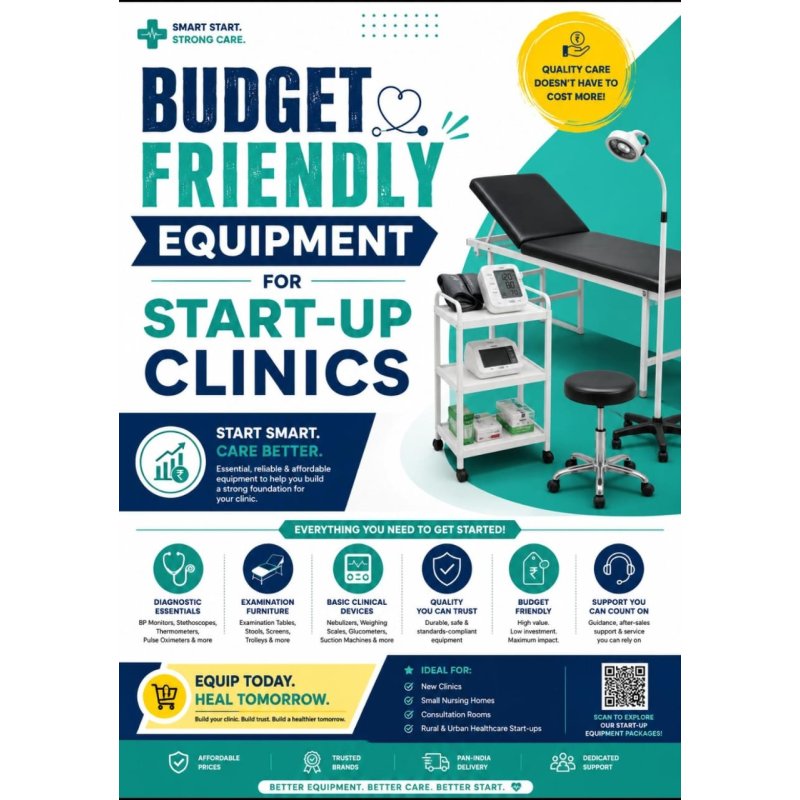
Starting a clinic is a major milestone, but one of the biggest challenges for new healthcare providers is managing the cost of medical equipment. Many start-up clinics operate on limited budgets, making it important to invest wisely without compromising patient care. The good news is that quality healthcare delivery does not always require expensive, high-end equipment. With proper planning and smart purchasing decisions, clinics can begin operations with affordable yet reliable tools.
According to recent healthcare startup reports, many new clinics reduce costs by purchasing refurbished equipment, leasing selected devices, and prioritizing only essential tools during their first phase of operation.
WHY BUDGET PLANNING MATTERS
For a start-up clinic, every investment must support efficiency, patient safety, and long-term growth. Overspending on unnecessary equipment can place financial pressure on the business before it becomes stable. Experts recommend beginning with core clinical essentials and expanding gradually as patient volume increases.
Instead of purchasing advanced equipment immediately, clinic owners should focus on tools that are:
√ Frequently used
√ Multi-functional
√ Durable and easy to maintain
√ Energy-efficient
√ Affordable to repair or replace
ESSENTIAL BUDGET-FRIENDLY EQUIPMENT FOR START-UP CLINICS
1. Digital Blood Pressure Monitor:
A blood pressure monitor is one of the most essential diagnostic tools in any clinic. Affordable digital models provide quick and accurate readings while reducing manual errors.
Budget-friendly options such as Sinocare, Omron and Rossmax models are commonly recommended for small clinics because they are reliable and easy to use.
2. Thermometers:
Non-contact thermometers became increasingly important after the COVID-19 pandemic. They help maintain hygiene standards and speed up patient screening processes.
Infrared thermometers are affordable, portable, and ideal for clinics with high patient traffic.
3. Pulse Oximeters:
Pulse oximeters are inexpensive yet highly valuable devices used to monitor oxygen saturation levels. They are especially useful in emergency care, respiratory assessments, and general patient monitoring.
Because of their low cost and portability, they are considered a must-have for every start-up clinic.
4. Stethoscopes:
A quality stethoscope remains one of the most important tools for healthcare professionals. It supports routine examinations and basic diagnostics without requiring a large investment.
Clinics can begin with dependable mid-range brands before upgrading to premium models later.
5. Examination Beds and Furniture:
Patient comfort and efficient workflow are essential in healthcare settings. Adjustable examination beds, waiting chairs, and mobile stools help improve patient experience while supporting staff efficiency.
Manual examination beds are usually more affordable than electric models and are ideal for start-up clinics. Refurbished examination tables can also significantly reduce setup costs.
6. Glucometers:
Diabetes management is increasingly important in healthcare. A portable glucometer allows clinics to provide quick blood sugar testing without investing in expensive laboratory systems.
This simple device adds value to patient care while remaining cost-effective for small practices. Brands such as Sinocare and Omron Glucometers are a good buy if I must say.
7. Sterilization Equipment:
Proper infection control is non-negotiable in any healthcare environment. Tabletop autoclaves and compact sterilizers are affordable solutions for maintaining hygiene standards in smaller clinics.
Refurbished sterilization units can also help reduce startup expenses while maintaining safety compliance.
8. Basic Laboratory Equipment:
Start-up clinics do not always need fully automated laboratory systems initially. Semi-automatic analyzers, centrifuges, microscopes, and hematology analyzers provide affordable diagnostic capabilities for routine testing.
These tools help clinics offer essential laboratory services while keeping costs manageable.
SMART WAYS TO REDUCE EQUIPMENT COST:
1. Buy Refurbished Equipment:
Refurbished medical equipment can reduce purchasing costs by up to 40–60% while still providing reliable performance when sourced from trusted suppliers.
2. Prioritize Multi-Function Devices:
Devices that combine multiple functions help clinics save money and conserve space. For example, some vital signs monitors can measure blood pressure, pulse rate, temperature, and oxygen saturation simultaneously.
Lease Expensive Equipment
Leasing allows clinics to access modern equipment without paying the full upfront cost. This strategy is especially useful for high-cost machines such as ultrasound systems or advanced laboratory analyzers.
3. Purchase in Phases:
Instead of buying everything at once, clinics should begin with essential tools and expand gradually. This reduces financial strain and allows the clinic to grow according to patient demand.
4. Buy from Trusted Suppliers:
Working with reputable suppliers helps prevent costly maintenance issues and ensures access to warranties, training, and technical support.
5 Balancing Cost and Quality:
While affordability is important, quality should never be ignored. Poor-quality equipment may lead to inaccurate diagnoses, frequent breakdowns, and increased maintenance expenses. Start-up clinics should aim for equipment that offers durability, reliability, and ease of maintenance.
Affordable healthcare equipment does not mean low standards. It means making smart investments that support sustainable clinic growth and quality patient care.
CONCLUSION :
Equipping a start-up clinic on a budget requires careful planning, smart prioritization, and strategic purchasing decisions. By focusing on essential equipment, considering refurbished options, and investing gradually, clinics can build efficient healthcare facilities without overspending.
The goal is not to purchase the most expensive equipment immediately, but to create a functional, safe, and patient-centered environment that can grow over time. With the right approach, start-up clinics can provide excellent healthcare services while maintaining financial stability.
← Back to Blog